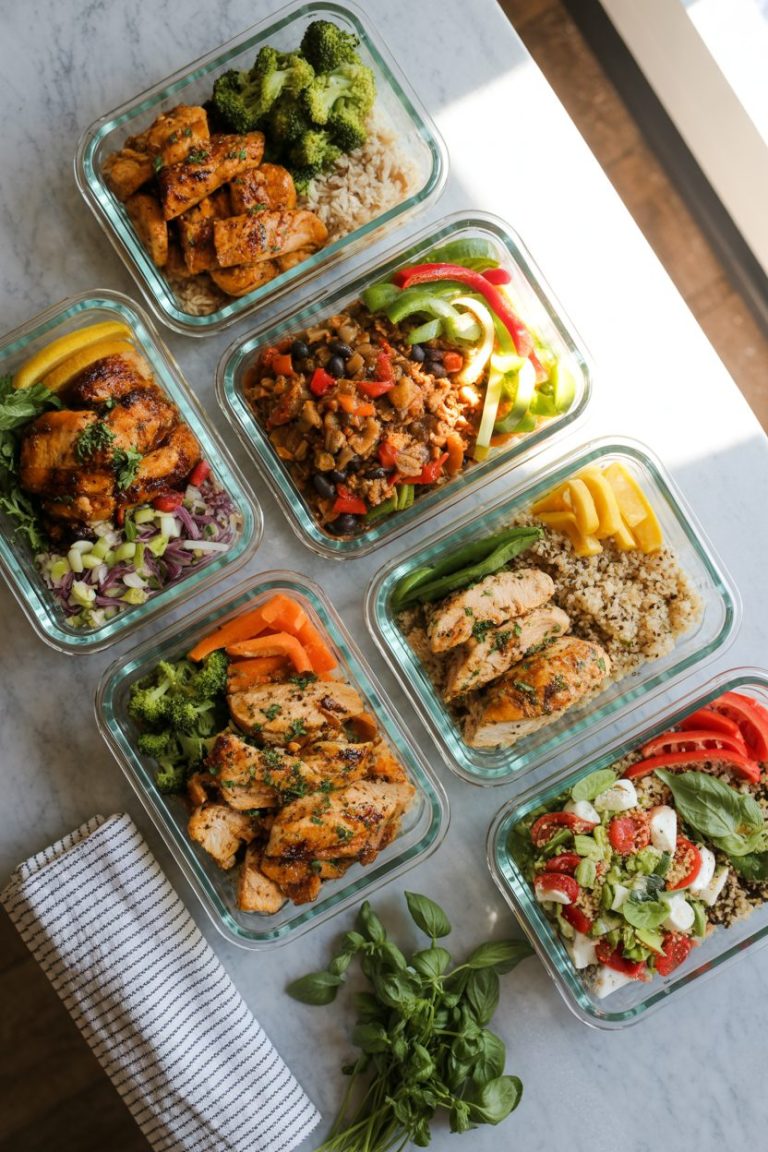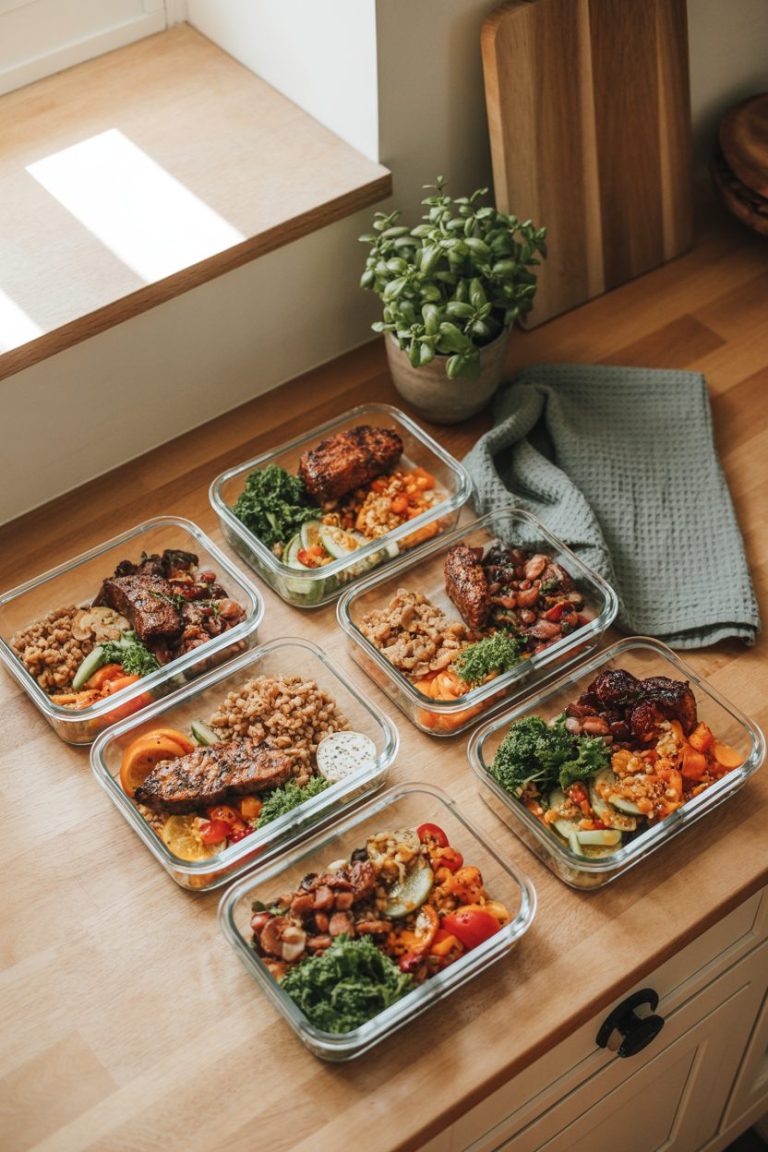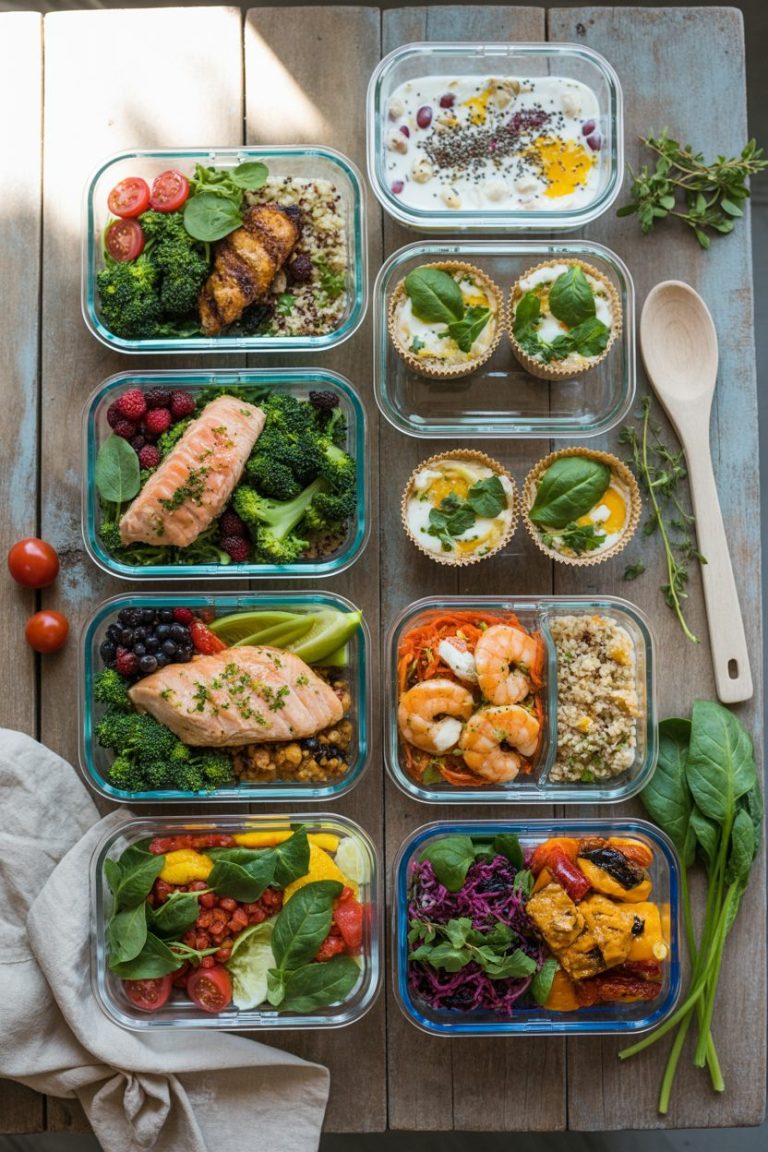
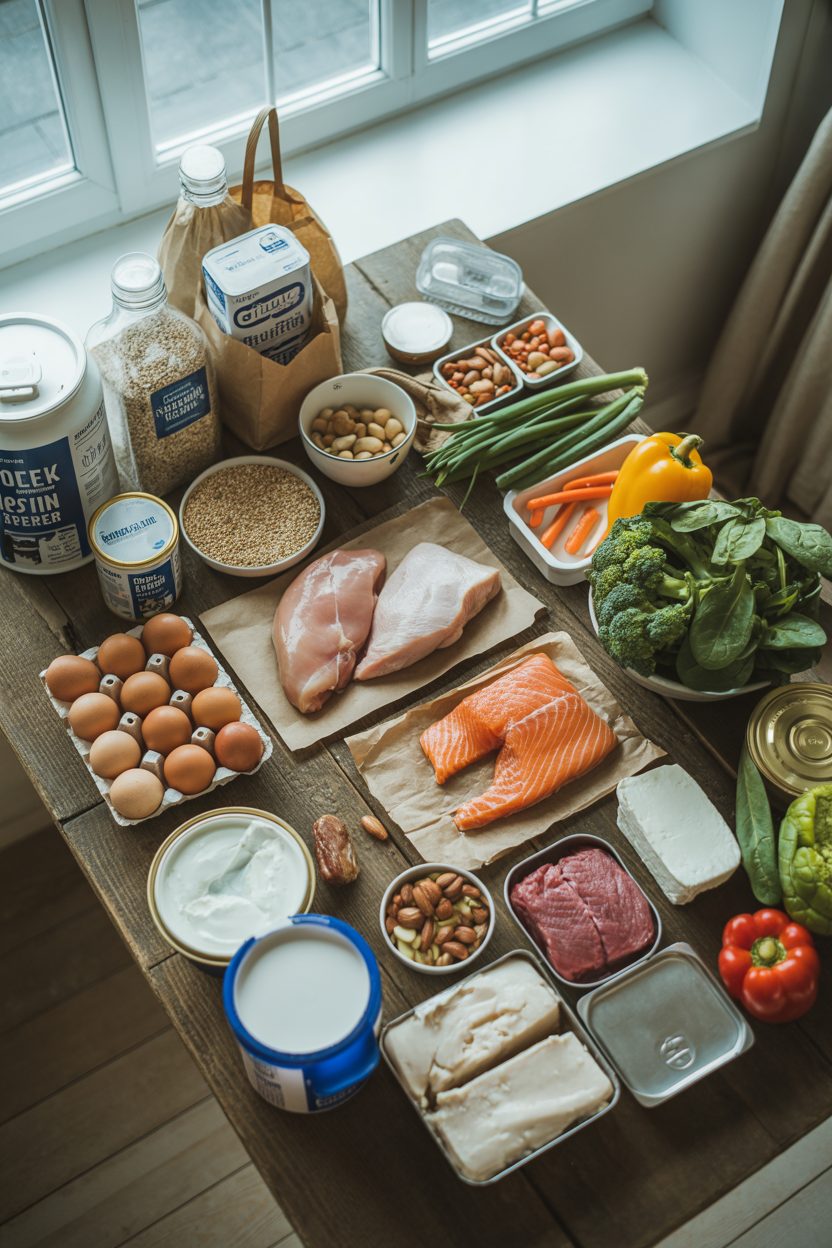
The Ultimate Meal Prep Grocery List for Protein Lovers
Standing in the grocery store aisle, staring at your phone trying to remember what you need—again. You know you want to hit your protein goals this week, but your list is a mess of half-remembered ingredients and vague intentions like “get chicken” or “some vegetables maybe?”
Been there. Done that. Wasted way too much money buying random stuff that doesn’t actually come together into meals.
Here’s what changed everything for me: having an actual system for grocery shopping that’s built around high-protein meal prep. Not some restrictive bodybuilder diet with plain chicken and steamed broccoli. A real, sustainable list that covers breakfast, lunch, dinner, and snacks while hitting 100-150 grams of protein daily without making you want to quit by Tuesday.
This isn’t just a random shopping list—it’s a strategic approach to buying food that actually works together. Everything on this list serves multiple purposes across different meals, which means less waste, less decision fatigue, and way more protein without the stress. Let me show you exactly what goes in my cart every single week.
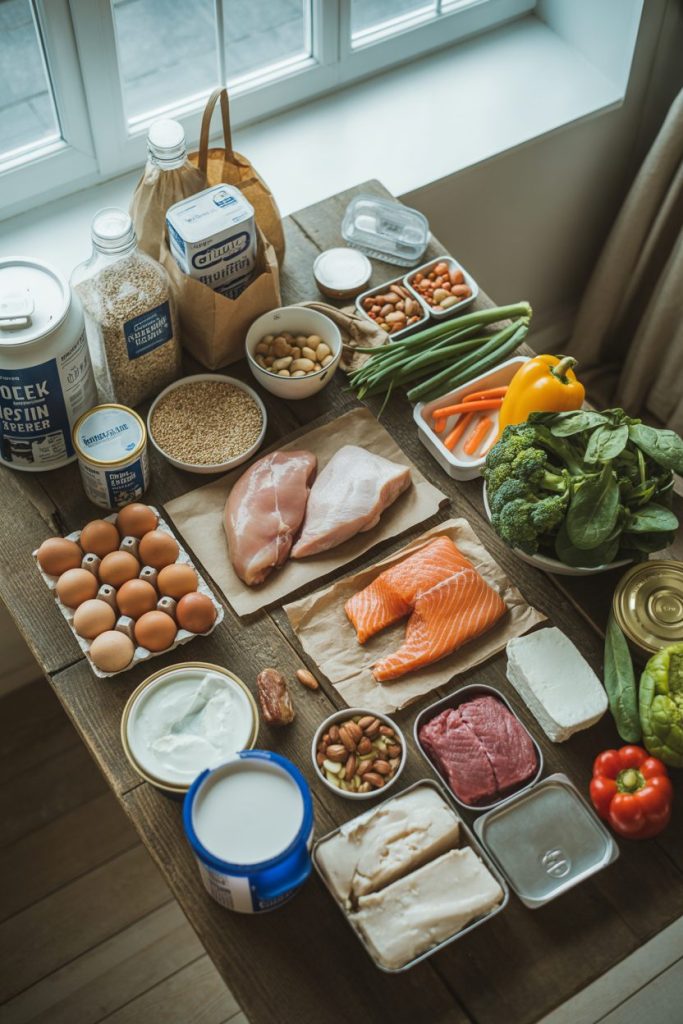
Why Your Current Grocery Strategy Is Costing You Money and Gains
Most people approach grocery shopping for high-protein meal prep completely backward. They find recipes online, write down ingredients for seven different meals, then buy everything needed for each specific recipe. Sounds logical, right?
Wrong. You end up with half-used jars of specialty sauces, vegetables that go bad before you use them, and zero flexibility when Wednesday rolls around and you absolutely cannot face another serving of that recipe you were excited about on Sunday.
The Better Approach: Core Ingredients That Mix and Match
Instead of shopping for specific recipes, you shop for versatile ingredients that work across multiple meals. Your chicken thighs can be Italian-seasoned for Monday, taco-flavored for Wednesday, and teriyaki-glazed for Friday. Same ingredient, three completely different meals, one shopping trip.
This strategy cuts your grocery bill by roughly 30% in my experience because you’re buying larger quantities of fewer items—which is almost always cheaper—and you’re not wasting money on single-use ingredients that sit in your pantry forever.
According to research on protein distribution throughout the day, spreading your protein intake across multiple meals optimizes muscle protein synthesis better than cramming it all into one or two meals. That means you need protein sources that work for breakfast, lunch, dinner, and snacks—not just chicken breasts for dinner.
The Protein Powerhouses: Your Non-Negotiable Core List
These are the proteins I buy every single week without fail. They form the foundation of everything else, and honestly, if you just bought these and some vegetables, you’d be 80% of the way there.
Chicken Thighs (3-4 pounds)
Forget chicken breasts. Thighs are more flavorful, harder to overcook, cheaper, and they actually taste good reheated. I buy the bone-in, skin-on variety when I’m roasting them whole, and boneless skinless when I need them for quick weeknight meals or meal prep bowls.
Each chicken thigh has roughly 13-15 grams of protein. Four thighs give you a solid 50-60 grams, which makes hitting your daily protein goals way more manageable.
Eggs (2-3 dozen)
The most versatile protein source in existence. Hard-boiled for snacks. Scrambled for breakfast. Baked into egg muffins for grab-and-go meals. Fried to top a grain bowl. Each egg packs about 6 grams of protein, so a three-egg breakfast starts you at 18 grams before you’ve added anything else.
I use this egg cooker because I got tired of watching pots boil and dealing with eggs that were impossible to peel. Seven minutes and you’re done.
Ground Turkey (2-3 pounds)
Ground turkey is your secret weapon for high-protein meal prep. Brown a big batch on Sunday with taco seasoning and you’ve got protein for burrito bowls, stuffed peppers, or taco salads all week. Season it differently and it becomes pasta sauce, stir-fry filling, or breakfast hash.
Lean ground turkey typically runs about 20 grams of protein per 4-ounce serving. A pound gives you multiple meals without breaking the bank.
Greek Yogurt (32-ounce containers, at least 2)
Get the plain, full-fat version with at least 15 grams of protein per serving. You can sweeten it yourself with honey or fruit, use it as sour cream, make it into dips and dressings, or eat it straight with some granola. It’s one of those ingredients that does everything.
Skip the individual cups—they’re more expensive per ounce and create unnecessary packaging waste. Just portion out what you need from the big container.
For more ways to use these protein staples, you might want to check out these high-protein breakfast ideas or explore these protein-packed lunch bowls that make the most of your grocery haul.
Salmon Fillets (1-1.5 pounds)
Yes, salmon costs more than chicken. It’s also packed with omega-3 fatty acids, tastes great, and cooks in under fifteen minutes. I buy it fresh when it’s on sale and freeze what I won’t use within two days.
A typical salmon fillet gives you 40-50 grams of protein plus all those healthy fats that keep you full and support hormone production. Worth every penny, IMO.
Cottage Cheese (16-ounce container)
Don’t sleep on cottage cheese just because you think it’s gross. The texture has improved dramatically in recent years, and it packs 24 grams of protein per cup—more than most other dairy options. Mix it with fruit for a snack, blend it into smoothies for extra protein, or use it as a base for savory dishes.
When comparing protein-per-serving, cottage cheese beats regular cheese, cream cheese, and even most protein shakes for pure protein density without a ton of extra calories.
The Supporting Cast: Carbs That Actually Contribute Protein
Here’s where most people miss opportunities to sneak in extra protein. These carb sources aren’t just filler—they actually contribute meaningful protein to your daily totals.
Quinoa (2 pounds)
Unlike rice, quinoa is a complete protein with all nine essential amino acids. One cup of cooked quinoa has 8 grams of protein plus fiber that keeps you full. It works as a breakfast base, lunch bowl foundation, or dinner side.
I cook it in this rice cooker using a 2:1 water-to-quinoa ratio. Set it and forget it.
Lentils (2 pounds dried or 4-6 cans)
Lentils are criminally underrated. They cook faster than most beans, they’re dirt cheap, and they pack 18 grams of protein per cup cooked. Toss them into soups, make them into veggie burgers, mix them with rice for a complete protein meal, or use them as taco filling.
Red lentils cook fastest—about 15 minutes. Brown and green lentils take 25-30 but hold their shape better in meal prep.
Oats (Large container)
Steel-cut oats have slightly more protein than rolled oats, but both are solid choices. Half a cup of dry oats gives you about 5 grams of protein before you add milk, yogurt, protein powder, or nuts. Overnight oats are my go-to because I assemble them Sunday night and have breakfast ready all week.
Whole Grain Pasta (2-3 boxes)
Regular pasta has some protein, but whole grain or chickpea pasta bumps the protein significantly. Chickpea pasta in particular has about 14 grams of protein per serving compared to 7 grams for regular pasta. Pair it with a protein-rich sauce and you’re looking at a 40+ gram protein meal easily.
Ezekiel Bread or High-Protein Bread
Look for bread with at least 5-6 grams of protein per slice. Ezekiel bread, made from sprouted grains, typically has 8 grams per two-slice serving. It’s higher in protein than regular bread and works for everything from breakfast toast to sandwich wraps.
If you want to see how these ingredients come together in real meals, try these high-protein meal prep bowls or explore these budget-friendly protein recipes that maximize what you’re buying.
Vegetables That Pull Double Duty
I’m not going to list every vegetable in existence—you know vegetables are good for you. But these specific ones are either higher in protein than others or work particularly well for meal prep longevity.
Broccoli (2-3 crowns or 2 bags frozen)
Broccoli has about 4 grams of protein per cup, which isn’t huge but adds up across multiple meals. More importantly, it roasts beautifully, reheats well, and works with basically every protein and cuisine style you can think of.
Spinach (Large container or 2 bags frozen)
Fresh spinach for salads, frozen spinach for everything else. It wilts down to nothing when cooked, so you can pack a ton of nutrients into scrambled eggs, pasta sauce, smoothies, or grain bowls without even noticing it’s there. About 5 grams of protein per cup cooked.
Brussels Sprouts (1-2 pounds)
These little guys are meal prep champions. Halve them, toss with oil and salt, roast at 425°F until crispy, and they’ll stay good in the fridge for five days. They add bulk to meals without adding many calories, and they actually have decent protein for a vegetable—about 3 grams per cup.
Bell Peppers (4-6 peppers, various colors)
Pure versatility. Raw for snacks with hummus. Roasted for bowls. Diced into scrambles or stir-fries. Stuffed with ground turkey and quinoa. They add color, crunch, and vitamin C without dominating the flavor of anything.
Sweet Potatoes (5-6 medium)
Not high in protein themselves, but they’re the perfect starchy vehicle for protein-rich toppings. Baked sweet potato with cottage cheese and salsa? Unexpected and delicious. Sweet potato hash with eggs and turkey sausage? Classic meal prep breakfast. They’re filling, nutrient-dense, and reheat perfectly.
The Flavor Makers: Sauces, Seasonings, and Protein Enhancers
This section is what separates people who give up on meal prep after a week from people who actually stick with it. You need flavor variation or you’ll get bored fast.
Spice Blends (Keep at least 5 on rotation)
I always have Italian seasoning, taco seasoning, curry powder, everything bagel seasoning, and garlic powder in my pantry. These five blends let me take the same base proteins and vegetables in completely different directions throughout the week.
Buy the big containers at warehouse stores or grab this spice organizer that makes it easy to see what you have and actually use it.
Hot Sauce and Sriracha
Adds zero calories, tons of flavor, and makes reheated food taste less like reheated food. Keep multiple varieties so you can change up the heat and flavor profile.
Soy Sauce and Teriyaki Sauce
Essential for any Asian-inspired meals. Low-sodium versions let you control the salt level without sacrificing flavor. A quick teriyaki glaze turns boring chicken into something you actually want to eat.
Greek Yogurt-Based Dressings
Make your own ranch, blue cheese, or Caesar using Greek yogurt as the base instead of mayo or sour cream. You’re adding protein while cutting calories and it tastes better than store-bought versions. FYI, this trick has saved me so much money and fridge space.
Pesto and Chimichurri
Fresh herb sauces that transform grilled proteins and roasted vegetables instantly. Store-bought works fine, but if you have a food processor, making your own takes five minutes and uses up herbs before they go bad.
Speaking of maximizing flavor, these high-protein dinner recipes and quick weeknight meal ideas show exactly how to use these seasonings across different meals without getting repetitive.
Strategic Snack Proteins That Actually Satisfy
The 3 PM hunger is real. If you don’t have protein-rich snacks ready, you’ll end up eating whatever’s convenient—which usually means carb-heavy options that leave you hungry again in an hour.
Almonds or Mixed Nuts (2 large containers)
About 6 grams of protein per ounce. I portion them into small containers or bags at the beginning of the week so I’m not mindlessly eating from the big jar and wondering where 800 calories went.
Keep them in this airtight container so they stay fresh and don’t get that stale, slightly-off taste that makes you not want to eat them.
String Cheese (2 packages)
Each stick has 6-8 grams of protein. Pair one with an apple or some crackers and you’ve got a 10-15 gram protein snack that takes zero preparation.
Deli Turkey or Rotisserie Chicken
Pre-cooked protein that’s ready when you are. Roll turkey slices around string cheese, dice rotisserie chicken into salads, or just eat it straight from the container when you need quick protein. No judgment.
Protein Powder (1-2 containers)
Controversial take: you don’t need protein powder if your diet is solid. But it’s convenient for smoothies, can be mixed into oatmeal or yogurt, and provides 20-25 grams of protein in thirty seconds when you’re genuinely too busy to eat real food.
I use this whey protein isolate because it mixes well and doesn’t have that weird artificial sweetener aftertaste that cheaper options have.
Beef Jerky or Turkey Jerky
Watch the sodium levels, but a good jerky gives you 10-15 grams of protein per serving in a completely shelf-stable package. Great for keeping in your desk drawer or car for emergencies.
The Weekly Shopping Strategy: How to Actually Use This List
You’re not buying everything on this list every week—that would be insane and expensive. Here’s how I actually approach it.
The Every Week Items:
Eggs, Greek yogurt, chicken thighs, vegetables (whatever’s on sale), and at least one other protein source. These are non-negotiables that form the base of most meals.
The Rotating Proteins:
Week one might be ground turkey and salmon. Week two might be rotisserie chicken and canned tuna. Week three might be pork tenderloin and shrimp. You’re rotating through different options to keep things interesting and taking advantage of what’s on sale.
The Pantry Staples You Buy Monthly:
Quinoa, oats, pasta, nuts, protein powder, spices—these are things you buy in bulk once a month or whenever they run low. They don’t expire quickly, so you’re not replacing them every week.
The Sale-Based Decisions:
If chicken thighs are $1.99 per pound, I buy extra and freeze them. If salmon is on a good sale, same thing. If Greek yogurt is buy-two-get-one, I stock up. Shopping the sales for proteins alone can cut your grocery bill by 20-30%.
The Prep-As-You-Shop Mindset:
While you’re loading your cart, think about how these ingredients work together. If you’re buying chicken thighs and bell peppers, you’re probably making fajita bowls or sheet pan meals. If you’re buying salmon and asparagus, that’s obviously pairing together. Your grocery list should naturally lead to your meal prep plan.
Smart Substitutions for Dietary Restrictions
Not everyone eats the same way. Here’s how to adapt this list if you have specific needs.
For Plant-Based Protein:
Swap chicken and turkey for tempeh, extra-firm tofu, and seitan. Replace Greek yogurt with high-protein coconut or almond yogurt. Add edamame, black beans, and nutritional yeast to your rotation. Plant-based protein powders work just as well as whey.
When comparing plant proteins, combining grains with legumes (like rice with beans or peanut butter on whole grain bread) creates complete proteins with all essential amino acids your body needs.
For Dairy-Free:
Use coconut yogurt alternatives, dairy-free protein powder, and skip the cottage cheese. Increase your egg consumption and focus more on meat, fish, and plant proteins to make up the difference.
For Budget Constraints:
Focus on eggs, canned tuna, dried lentils, and chicken thighs—these are the cheapest proteins per serving. Skip salmon unless it’s on major sale. Buy frozen vegetables instead of fresh. Use regular oats instead of fancy overnight oat kits.
The Shopping List Template You Can Actually Use
Here’s my actual weekly template that I’ve been using for two years. I print it out or keep it on my phone and just check off what I need.
Proteins (choose 3-4):
- Chicken thighs
- Ground turkey
- Eggs (always)
- Greek yogurt (always)
- Salmon or white fish
- Deli meat or rotisserie chicken
Carbs (choose 3-4):
- Quinoa
- Oats
- Sweet potatoes
- Whole grain bread
- Brown rice or pasta
Vegetables (choose 5-6):
- Broccoli
- Spinach
- Bell peppers
- Brussels sprouts
- Onions
- Whatever looks good on sale
Snacks and Extras:
- String cheese
- Nuts
- Hummus
- Fresh fruit
Pantry Check:
- Protein powder level
- Spices that need refilling
- Cooking oil status
- Canned goods inventory
This takes about forty minutes to shop for if I’m focused, maybe an hour if the store’s crowded. Total cost ranges from $70-100 depending on which proteins I choose and what’s on sale.
Avoiding the Common Shopping Mistakes
Let me save you from the mistakes I made when I first started prioritizing protein in my meal prep.
Mistake 1: Buying Too Much Variety
You don’t need seven different protein sources for one week. You need two or three that you’ll actually use. More variety sounds good in theory but leads to food waste and meal prep paralysis in practice.
Mistake 2: Skipping the Frozen Section
Frozen vegetables, frozen pre-cooked chicken strips, frozen fish fillets—these aren’t “cheating.” They’re tools that make high-protein eating sustainable when life gets hectic. Use them.
Mistake 3: Not Checking What You Already Have
I’ve bought eggs when I had a dozen at home more times than I care to admit. Check your fridge and pantry before shopping. Keep a running list on your phone of what you’re low on.
Mistake 4: Shopping Hungry
Classic mistake, still completely true. Shop after a meal or at least after a protein-rich snack. Your hungry brain will convince you that you need things you absolutely don’t need.
Mistake 5: Ignoring Per-Serving Cost
That family pack of chicken thighs for $12 might seem expensive until you realize it’s giving you eight meals’ worth of protein for $1.50 per meal. Compare the per-serving cost, not just the sticker price.
Storing Your Protein Haul Properly
Buying all this protein does you no good if half of it goes bad before you use it. Storage matters.
Fresh Proteins (Use Within 2 Days or Freeze):
If you’re not using chicken, fish, or ground turkey within 48 hours, freeze it immediately. Don’t let it sit in your fridge for five days thinking you’ll get to it—you won’t.
I portion proteins into meal-sized amounts before freezing. Future me appreciates not having to thaw five pounds of chicken when I only need two breasts. These freezer bags are thick enough that nothing gets freezer burned and you can write on them with a Sharpie.
Hard-Boiled Eggs:
Keep them in their shells until you’re ready to eat them. They last about a week in the fridge. Peel them all at once on Sunday and they’re good for about five days.
Greek Yogurt and Cottage Cheese:
Check the dates when buying and push your shopping day earlier if needed so you’re not stuck with yogurt that expires mid-week. Once opened, use within 7-10 days.
Cooked Proteins:
Anything you cook lasts 3-4 days in the fridge, 2-3 months in the freezer. Label everything with the date—you think you’ll remember when you made it, but you won’t.
Related Recipes You’ll Love
Ready to put this grocery list into action? Here are some recipes that make perfect use of these ingredients:
High-Protein Meal Prep:
- Seven-day high-protein meal prep for busy schedules
- Budget-friendly high-protein meal ideas under $50
- Quick high-protein dinners ready in 30 minutes
Using Specific Proteins:
- Greek yogurt breakfast bowls with fruit and granola
- Ground turkey taco meal prep bowls
- Sheet pan salmon with roasted vegetables
Making This Work Long-Term
The difference between someone who shops this way once and someone who does it consistently for years comes down to flexibility and self-compassion.
Some weeks you’ll nail it—your fridge will be perfectly stocked, you’ll hit your protein goals every day, and you’ll feel like a meal prep champion. Other weeks you’ll grab rotisserie chicken and pre-washed salad on Wednesday because life happened and that’s all you could manage.
Both scenarios are completely fine. The goal isn’t perfection. It’s having a solid baseline of protein-rich groceries available most of the time so that eating well becomes easier than ordering takeout.
Start with this list. Adapt it to what you actually like eating and what fits your budget. Remove things that don’t work for you. Add proteins I didn’t mention that you love. Make it yours.
The best grocery list isn’t the most comprehensive or the most perfectly optimized—it’s the one you’ll actually use week after week without burning out. This list has worked for me for years because it balances variety with simplicity, nutrition with taste, and aspirational goals with real-life constraints.
Stock your fridge with these proteins, keep your pantry organized, and watch how much easier it becomes to hit those daily protein targets without overthinking every single meal. That’s the real win here—not perfection, just consistent progress toward eating better without the stress.