14 Budget-Friendly High-Protein Meal Prep Ideas for Beginners
Let’s be honest—meal prep sounds great until you see those grocery bills piling up like dirty dishes after Thanksgiving dinner. I’ve been there, standing in the checkout line wondering if my wallet just filed for bankruptcy. But here’s the thing: eating enough protein doesn’t mean choosing between paying rent and buying chicken breasts.
I spent months figuring out how to hit my protein goals without selling a kidney, and trust me, it’s totally doable. Whether you’re trying to build muscle, lose weight, or just stop eating cereal for dinner three times a week, these budget-friendly ideas will keep your meals interesting and your bank account breathing.
[ PASTE YOUR FEATURE IMAGE URL HERE ]
Why Budget-Friendly Protein Matters More Than You Think
Protein gets expensive fast. One week you’re buying fancy salmon fillets, and the next you’re Googling “can humans survive on beans alone?” The answer is yes, by the way, but you don’t have to go full hermit mode to eat well on a budget.
Most people think cheap protein means cardboard chicken and flavorless tofu. Wrong. The secret is knowing which proteins give you the most bang for your buck and how to prep them so you actually want to eat them. I’m talking about eggs, canned tuna, ground turkey, Greek yogurt, and yes, beans—the unsung heroes of budget eating.
When you nail your meal prep game, you’re not just saving money. You’re saving time, reducing food waste, and avoiding that 8 PM panic where you end up ordering overpriced takeout because your fridge looks like a sad documentary. Plus, knowing exactly what you’re eating makes hitting your protein targets way less stressful.
1. Egg Muffin Madness
Eggs are criminally underrated. At roughly $3-4 per dozen, they’re probably the cheapest complete protein you can find. I make these high-protein egg muffins every Sunday, and they’ve saved my mornings more times than I can count.
Just whisk together 12 eggs, throw in whatever veggies you have lying around (bell peppers, spinach, onions), add some cheese if you’re feeling fancy, and pour the mix into a muffin tin. Bake at 350°F for 20-25 minutes, and boom—you’ve got portable breakfast for days.
Each muffin packs about 6-7 grams of protein, and you can customize them endlessly. I’ve done Mexican-style with salsa and black beans, Italian with tomatoes and basil, even a weird but surprisingly good pizza version. Get Full Recipe for inspiration on protein-packed variations.
The best part? These freeze beautifully. I use these freezer-safe containers to store them, and they reheat in 60 seconds. No excuses for skipping breakfast anymore.
Editor’s Pick: Best Meal Prep Containers Set
After testing dozens of containers, these glass meal prep containers are hands-down the best investment for anyone serious about meal prepping. They’re microwave-safe, dishwasher-safe, and the lids actually stay sealed (no more mystery spills in your bag).
- BPA-free glass that doesn’t stain or retain smells
- 3-compartment design keeps foods separate
- Stackable for easy fridge organization
- Oven-safe up to 450°F (minus the lids)
- Portion control markings built in
I’ve been using the same set for two years and they still look brand new. At around $30-40 for a 5-pack, they pay for themselves in a month compared to buying disposable containers.
Check Current Price2. The Humble Chicken Thigh Revolution
Everyone obsesses over chicken breasts, but chicken thighs are where it’s at. They’re cheaper, more flavorful, and nearly impossible to overcook. I usually find them for $2-3 per pound versus $5-6 for breasts.
My go-to move is buying a big pack, seasoning them with literally anything in my spice cabinet, and roasting them on a sheet pan at 425°F for 35-40 minutes. The skin gets crispy, the meat stays juicy, and you feel like a culinary genius.
One pack gives me protein for at least 4-5 meals. I’ll pair them with rice, quinoa, or roasted vegetables—whatever’s cheap that week. According to Healthline, chicken thighs actually contain more iron and zinc than breasts, so you’re getting extra nutritional value along with that rich flavor.
If you’re looking for more ways to transform basic chicken into something exciting, you’ll love these 15 chicken meal prep recipes that prove chicken never has to be boring.
3. Ground Turkey Transforms Everything
Ground turkey is my secret weapon. It’s usually $3-4 per pound, cooks fast, and absorbs flavors like a sponge. I buy the 93% lean version because it has more protein and less fat, which means more protein per calorie.
You can make turkey taco bowls, stuff it into bell peppers, mix it with pasta sauce for a high-protein spaghetti, or form it into meatballs. I season a big batch with cumin, garlic powder, paprika, and chili powder, then portion it out for the week.
One pound of ground turkey gives you roughly 90 grams of protein. That’s enough for 4-5 meals if you’re aiming for 20-25 grams per meal. Mix it with black beans to stretch it further—beans add fiber and more protein while keeping costs down.
“I tried the ground turkey taco bowls from this list and meal prepped them for the whole week. Saved me at least $50 in takeout and I actually looked forward to lunch every day!” — Jessica M.
For more creative ways to use ground turkey, check out these ground turkey meal prep ideas that go way beyond basic tacos.
4. Canned Tuna Isn’t Boring (I Promise)
I know what you’re thinking. Tuna? Really? But hear me out. A can of tuna costs like $1-2 and delivers 20-25 grams of protein. That’s insanely cost-effective.
The trick is dressing it up. I make tuna patties by mixing canned tuna with an egg, some breadcrumbs or oats, and whatever seasonings I’m feeling. Form them into patties, pan-fry them in a little olive oil, and suddenly you’ve got something that doesn’t taste like sad desk lunch.
You can also make Mediterranean tuna salad with chickpeas, cucumber, tomatoes, and a lemon vinaigrette. Or go Asian-inspired with edamame, sesame oil, and soy sauce. The possibilities are endless once you stop thinking of tuna as just that thing you eat straight from the can while standing over the sink in despair.
5. Greek Yogurt: The Breakfast MVP
Greek yogurt changed my breakfast game. A large container costs around $5-6 and contains roughly 15-20 servings depending on how much you eat. Each serving packs about 15-20 grams of protein.
I buy the plain version because it’s cheaper and less sugary, then I customize it myself. Sometimes I add honey and berries, other times I go savory with cucumber, dill, and a pinch of salt. Sounds weird but it’s basically tzatziki for breakfast, and I’m here for it.
You can also use Greek yogurt as a base for smoothies, mix it with protein powder for an extra boost, or use it as a sour cream substitute in recipes. It’s versatile and keeps for weeks in the fridge.
Speaking of breakfast ideas, these make-ahead high-protein breakfast recipes will give you even more ways to start your morning right without the morning chaos.
6. Overnight Oats Meet Protein Power
Overnight oats get a bad rap for being too carb-heavy, but you can easily transform them into a protein powerhouse. I mix half a cup of oats with Greek yogurt, protein powder, a splash of milk, and whatever toppings I’m craving.
The oats soak overnight in these mason jars, and by morning you’ve got a ready-to-eat breakfast with 25-30 grams of protein. That’s more than most breakfast sandwiches from fast food joints, and it costs maybe $1.50 per serving.
I like adding peanut butter for extra protein and healthy fats. Some people prefer almond butter, which has slightly more vitamin E and a different flavor profile, but honestly both work great. Just stick with whatever’s on sale. Get Full Recipe for my favorite flavor combinations.
Craving more oat inspiration? These 25 high-protein overnight oats recipes prove that oats are anything but boring when you know how to prep them right.
7. Bean-Based Bowls That Don’t Suck
Beans are cheap protein royalty. A can of black beans costs less than a dollar and gives you about 15 grams of protein. A bag of dried beans costs even less and makes way more servings—though you’ll need to plan ahead since they require soaking.
I make burrito bowls with black beans, brown rice, salsa, cheese, and whatever veggies I have. Add some Greek yogurt instead of sour cream for extra protein, and you’ve got a complete meal for under $3 per serving.
Research from the Mayo Clinic shows that the fiber in beans helps with satiety and digestion, which means you stay fuller longer. That’s a win when you’re trying to stick to a budget without feeling constantly hungry.
You can also make black bean brownies (yes, really), white bean hummus, or chickpea “meatballs.” Beans are basically the tofu of the budget world—bland on their own but incredibly adaptable.
8. Cottage Cheese Isn’t Your Grandma’s Food
Cottage cheese is having a moment, and I’m not mad about it. A 16-ounce container costs around $3-4 and delivers roughly 12-15 grams of protein per half-cup serving.
I was skeptical at first because the texture is… unique. But once I started blending it into smoothies or using it as a pasta sauce base, I became a convert. You can also eat it straight with fruit, mix it with tuna for extra creamy tuna salad, or bake it into high-protein pancakes.
Some people can’t stand cottage cheese no matter what. If that’s you, no judgment. But if you haven’t tried it in a few years, give it another shot. The texture has gotten way better, and some brands are legitimately good now.
9. Lentil Soup That Actually Fills You Up
Lentils are probably the most underrated protein source out there. A bag costs $2-3 and makes enough soup to feed you for a week. One cup of cooked lentils has about 18 grams of protein and tons of fiber.
I make a big pot of lentil soup every couple of weeks using this Dutch oven. Just sauté onions, carrots, and celery, add lentils, broth, and whatever spices you like, then simmer for 30-40 minutes. Done.
The best part? Lentil soup tastes better the next day. I portion it out in meal prep containers, freeze half, and eat the rest throughout the week. It’s comfort food that doesn’t wreck your macros or your wallet.
Kitchen Must-Have: Cast Iron Dutch Oven
If you’re going to invest in one quality piece of cookware for meal prep, make it a Dutch oven. This thing is a workhorse—I use mine at least three times a week for everything from soups to braised meats to baking bread.
- Oven-safe up to 500°F for versatile cooking
- Retains heat beautifully for even cooking
- Goes from stovetop to oven seamlessly
- Lasts literally forever with basic care
- Perfect for batch cooking and meal prep
I snagged mine on sale for around $60 (they range from $50-150 depending on brand), and it’s the best kitchen purchase I’ve ever made. You can make enough food for a week in one pot, and cleanup is surprisingly easy.
View Best OptionsIf you’re all about those plant-based meals, you’ll definitely want to check out these plant-based high-protein prep meals that prove you don’t need meat to hit your protein goals.
10. Protein-Packed Pasta (Yes, Really)
Regular pasta isn’t exactly a protein bomb, but there are ways around that. I use chickpea pasta or lentil pasta, which cost a bit more than regular pasta but still way less than takeout. They pack about 20-25 grams of protein per serving.
Make a big batch with marinara sauce and ground turkey or beef, and you’ve got high-protein spaghetti for days. I also add white beans directly to the sauce—they practically disappear but add protein and fiber without changing the flavor much.
You can also go full lazy mode and just add canned tuna or rotisserie chicken to regular pasta with olive oil and garlic. Not fancy, but it works when you need dinner in 10 minutes.
Want more pasta inspiration that won’t derail your protein goals? These high-protein pasta meal prep recipes will make you wonder why you ever thought pasta and protein couldn’t be friends.
11. Tofu That Doesn’t Taste Like Sadness
Tofu gets a bad rap, mostly because people don’t know how to cook it. A block costs $2-3 and contains about 40 grams of protein. That’s insanely budget-friendly.
The secret is pressing out the water and then either baking or pan-frying it until crispy. I press mine using this tofu press, but you can also just wrap it in paper towels and stick something heavy on top for 15 minutes.
Once it’s pressed, cut it into cubes, toss with soy sauce, sesame oil, and garlic, then bake at 400°F for 25-30 minutes. Flip halfway through. The outside gets crispy while the inside stays soft, and suddenly tofu makes sense.
I add baked tofu to stir-fries, grain bowls, or salads. It’s also great in scrambles as an egg substitute if you’re trying to reduce your cholesterol intake. According to the American Heart Association, soy protein can be part of a heart-healthy diet when it replaces higher-fat animal proteins.
12. Rotisserie Chicken Hacks
Rotisserie chickens are meal prep gold. They cost $5-7, which sounds like more than raw chicken, but here’s the thing—you’re paying for the cooking time, energy costs, and seasoning. When you factor all that in, it’s actually a deal.
One rotisserie chicken gives me protein for 4-5 meals. I’ll shred it immediately when I get home and divide it into portions. Some goes into chicken salad with Greek yogurt and grapes, some gets added to pasta, and the rest goes into tacos or wraps.
Don’t throw away the bones. I’m serious. Make bone broth by simmering them with water, carrots, celery, and onions for a few hours. You’ll get free, protein-rich broth for soups, and you’ll feel like a resourceful pioneer.
“The rotisserie chicken hack literally changed my meal prep game. I was spending so much time cooking chicken from scratch when I could’ve been using that time for literally anything else.” — Mike T.
13. Edamame Everything
Frozen edamame is ridiculously cheap and packs about 17 grams of protein per cup. A bag costs $2-3 and makes multiple servings. I always keep a few bags in my freezer for quick protein hits.
You can eat edamame straight with just salt, or add it to grain bowls, stir-fries, and salads. I also blend it into hummus for a protein boost—just substitute half the chickpeas with edamame. The color is a bit weird but the flavor is great.
It’s also super kid-friendly if you’re trying to get your family on board with healthier eating. Even picky eaters tend to like edamame because it feels like a snack more than a vegetable.
14. Budget Protein Bowls You Can Mix and Match
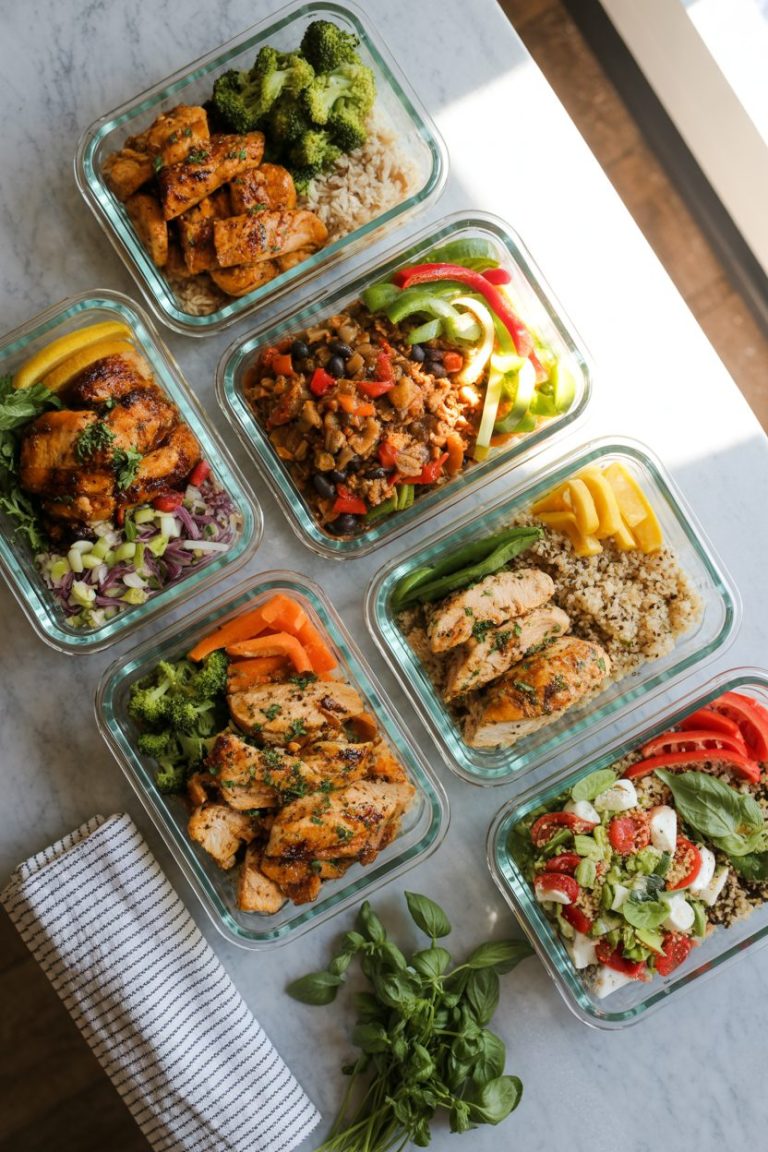
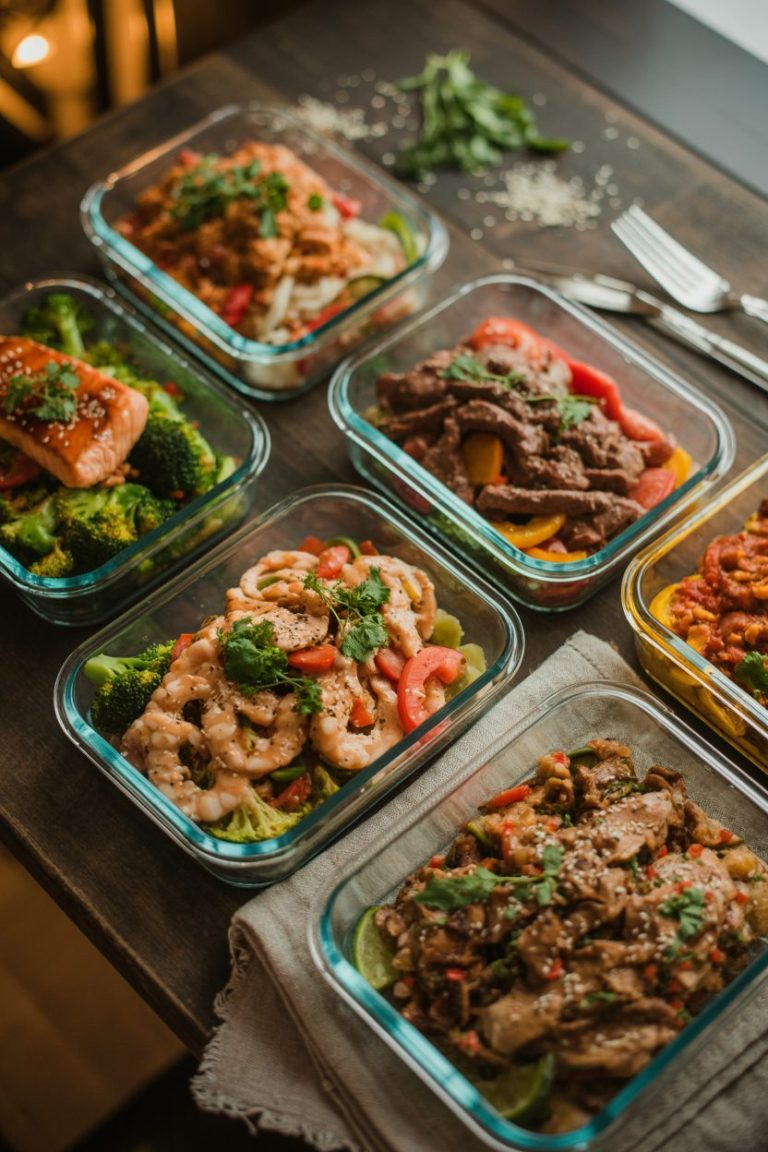
This isn’t so much a specific recipe as it is a strategy. I prep a protein, a grain, and a bunch of vegetables at the beginning of the week, then mix and match them into different bowls throughout the week.
For example, I’ll make brown rice in my rice cooker, roast a sheet pan of vegetables, and cook a big batch of ground turkey or chicken thighs. Then I can create Mexican bowls with salsa and black beans, Asian bowls with teriyaki sauce and edamame, or Mediterranean bowls with hummus and cucumber.
This approach keeps things interesting without requiring you to cook seven completely different meals. It’s also easier on your grocery budget because you’re buying fewer ingredients overall. Get Full Recipe ideas for building the perfect protein bowl.
Time-Saver: Premium Rice Cooker with Meal Prep Functions
This isn’t just a rice cooker—it’s a meal prep miracle worker. I use mine to cook rice, quinoa, steel-cut oats, steamed vegetables, and even whole chicken breasts while I’m prepping other components. It’s like having an extra set of hands in the kitchen.
- Large 6-cup capacity perfect for weekly batches
- Keep-warm function maintains temperature for hours
- Delay timer lets you prep the night before
- Steam basket included for multi-level cooking
- Non-stick pot makes cleanup painless
Most good ones run between $30-80, and honestly, it’s one of those purchases that immediately changes your meal prep routine. Set it and forget it while you handle everything else. Game changer.
See Top-Rated ModelsIf you’re all about that bowl life, you absolutely need to see these 21 healthy high-protein bowls that prove meal prep doesn’t have to be repetitive or boring.
How to Grocery Shop Like a Budget Protein Pro
Shopping smart is half the battle. I’ve learned some tricks over the years that have saved me serious cash without compromising my protein intake.
First, buy in bulk when stuff goes on sale. If chicken thighs are half off, buy five pounds and freeze what you won’t use immediately. Most proteins freeze beautifully for 3-4 months, and future you will be grateful when prices spike again.
Second, check the unit price, not just the sticker price. Sometimes the bigger package isn’t actually cheaper per pound. I learned this the hard way after buying a “family pack” that was actually more expensive than buying two smaller packs.
Third, don’t sleep on store brands. The generic Greek yogurt or canned tuna is usually identical to name brands. You’re literally paying extra for prettier packaging. Save your money for things that actually taste different.
The Ultimate Meal Prep Grocery List for Protein Lovers
Stop wandering grocery store aisles wondering what you need. This comprehensive digital guide breaks down exactly what to buy, how much to buy, and where to find the best deals on high-protein ingredients.
Includes protein-per-dollar calculations, seasonal buying guides, bulk shopping strategies, and printable weekly shopping templates. Never overspend or forget essential ingredients again.
Need a comprehensive game plan? This ultimate meal prep grocery list breaks down exactly what to buy and in what quantities so you’re never standing in the store wondering what you need.
Storage and Reheating Tips That Actually Matter
You can prep the best meals in the world, but if they turn gross by Wednesday, what’s the point? I’ve ruined plenty of meal prep batches by storing them wrong, so learn from my mistakes.
Use proper containers. I swear by glass meal prep containers with separate compartments. They don’t stain, they don’t retain odors, and you can reheat food directly in them. Plus they’re better for the environment than disposable stuff.
Let hot food cool before sealing. If you seal containers while food is still hot, condensation builds up and makes everything soggy. I learned this after creating the world’s saddest, soggiest chicken and rice situation.
Freeze what you won’t eat in 3-4 days. Most cooked proteins last about 4 days in the fridge max. If you’re meal prepping for the whole week, freeze half your portions. They’ll taste fresh when you defrost and reheat them later.
Making It All Work When Life Gets Crazy
Real talk—some weeks you won’t meal prep. You’ll be busy, tired, or just not feeling it. That’s normal. The goal isn’t perfection, it’s consistency over time.
On weeks when I’m swamped, I scale back to just prepping breakfast and lunch. Or sometimes I only prep protein and buy pre-cut vegetables. That’s still way better than eating out every meal and spending $15 per meal.
I also keep emergency backups on hand—canned tuna, frozen edamame, instant rice, and protein powder. These aren’t ideal, but they’re better than giving up entirely when you don’t have time for full meal prep.
21-Day Lean & Strong Meal Prep Plan
For those serious about transforming their body and their relationship with food, this complete 21-day program takes the guesswork out of meal planning. Every single meal, snack, and grocery item is mapped out for you.
This isn’t just a meal plan—it’s a complete system designed to help you build lean muscle while staying satisfied and energized. Every recipe is budget-conscious, prep-friendly, and optimized for maximum protein without breaking the bank.
For those weeks when you need meals fast without sacrificing nutrition, check out these 30-minute meal prep dinners that prove healthy eating doesn’t require hours in the kitchen.
And if you’re constantly battling time constraints, the 7-day high-protein meal prep for busy professionals is basically designed for people who have zero spare time but still want to eat well.
The Real Cost Breakdown
Let’s get specific about costs because “budget-friendly” means different things to different people. When I was really broke, I could meal prep a week’s worth of high-protein meals for around $40-50. That’s roughly $6-7 per day for three meals plus snacks.
Here’s a sample weekly breakdown: Eggs ($4), chicken thighs ($8), ground turkey ($6), Greek yogurt ($5), oats ($3), beans ($4), rice ($3), frozen vegetables ($6), and some fruit ($8). That’s $47 total, and it covers most of your protein needs for the week.
Compare that to eating out, where even fast casual places charge $10-12 per meal. If you ate out twice a day for a week, that’s $140-168. Even cutting back to just meal prepping dinners would save you over $50 per week. That’s $200 per month to spend on literally anything else.
30-Day High-Protein Meal Prep Challenge (Free PDF)
Ready to completely transform your meal prep game? This comprehensive 30-day challenge includes everything you need to master budget-friendly, high-protein meal prep from scratch—even if you’ve never meal prepped a single meal before.
Each week builds on the last, teaching you essential skills while keeping your grocery bill under $50 per week. You’ll learn proper portioning, storage techniques, flavor combinations, and time-saving hacks that actually work.
Want to see how others are making it work on a budget? These high-protein budget meal prep recipes prove you really can eat well without going broke.
Join Our Meal Prep Community
Want daily meal prep tips, budget grocery hacks, and exclusive recipes delivered straight to your phone? Join our free WhatsApp community where over 10,000 meal preppers share wins, ask questions, and support each other on this journey.
We share weekly grocery deals, answer your meal prep questions in real-time, and drop new recipe ideas every Monday. No spam, just real people trying to eat better without going broke.
Click here to join the Daily Bite Life WhatsApp Community and get instant access to our exclusive meal prep starter guide.
Frequently Asked Questions
How much protein do I actually need per day?
Most active adults need about 0.8-1 gram of protein per pound of body weight. So if you weigh 150 pounds, aim for 120-150 grams daily. If you’re trying to build muscle, lean toward the higher end. For weight loss or general health, the lower end works fine. The key is spreading it throughout the day rather than cramming it all into dinner.
Can I really build muscle on budget proteins like beans and eggs?
Absolutely. Your muscles don’t care whether protein came from expensive salmon or cheap eggs—protein is protein. The key is eating enough total protein and getting all nine essential amino acids, which you’ll get if you eat varied protein sources throughout the day. Combine plant proteins with some animal proteins, and you’re golden.
How long does meal-prepped protein stay good in the fridge?
Most cooked proteins last 3-4 days in the fridge when stored properly in airtight containers. If you’re prepping for the full week, freeze half your portions and thaw them midweek. This keeps everything tasting fresh and reduces food waste from stuff going bad before you eat it.
What if I get bored eating the same thing every day?
Use different sauces, seasonings, and sides to change up the same base protein. A batch of grilled chicken becomes totally different meals when you pair it with different flavors—teriyaki one day, Italian herbs another, Mexican spices the next. You can also prep two different proteins and alternate throughout the week.
Is meal prepping worth it if I’m only cooking for one person?
Definitely. Solo cooking actually makes meal prep more valuable because you avoid the trap of ordering takeout just because you don’t want to cook a full meal for yourself. Plus, buying ingredients for multiple meals is more cost-effective than buying single-serving items. You’ll save more money and eat better as a solo prepper than as part of a family.
Final Thoughts
Budget-friendly high-protein meal prep isn’t about deprivation or eating boring food. It’s about being strategic with your grocery budget and your time. Once you figure out which proteins give you the best value and how to prep them efficiently, the whole process becomes way less stressful.
Start with one or two recipes from this list and build from there. You don’t need to prep every meal for the entire week right away. Even prepping just breakfast or lunch is a huge win when you’re starting out.
The money you save adds up fast. That $50-100 per week you’re not spending on takeout could fund a gym membership, new workout gear, or just give you breathing room in your budget. And honestly, the peace of mind that comes from knowing you’ve got healthy food ready to go is worth more than the money itself.
Your wallet and your muscles will both thank you. Now go raid that clearance meat section and make some magic happen.