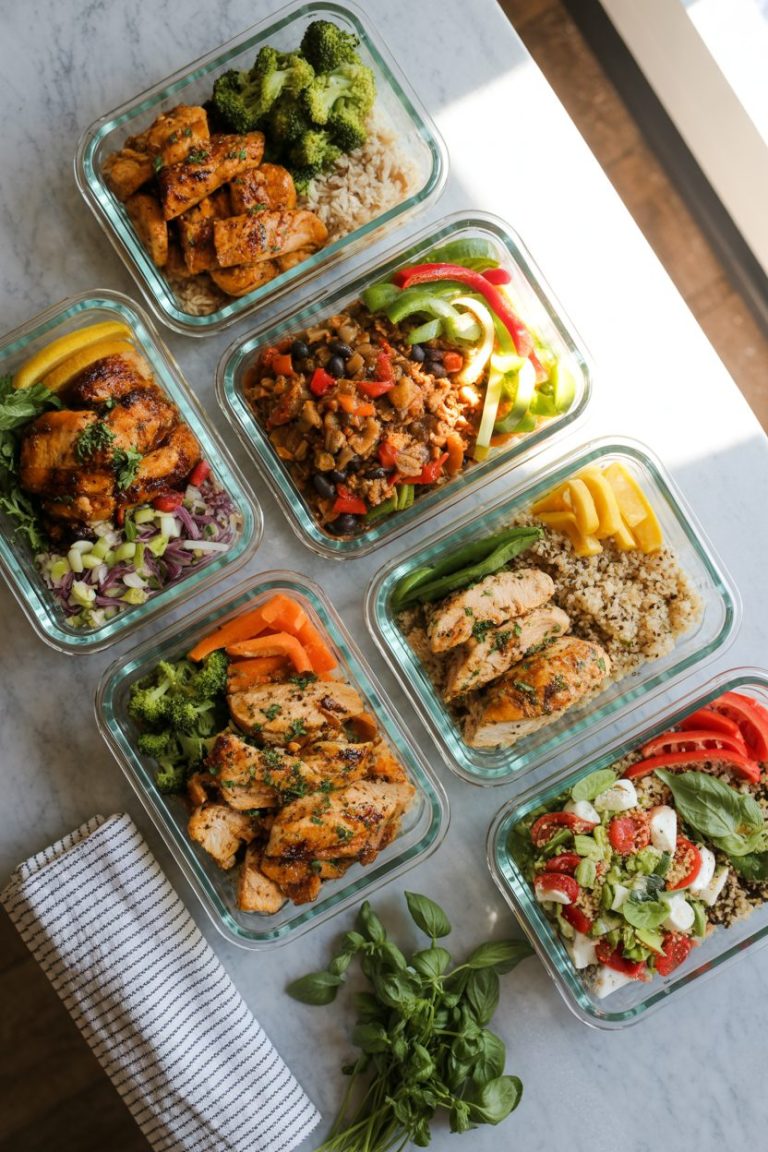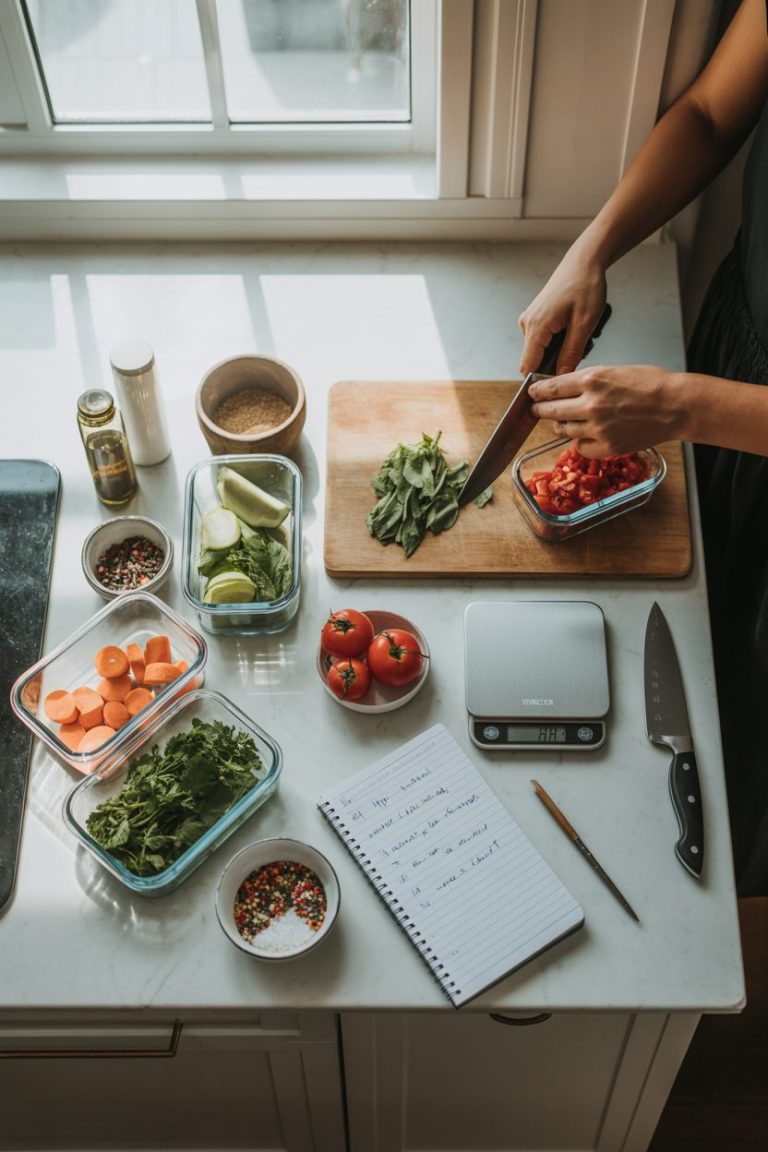
21-Day Lean & Strong Meal Prep Plan
Look, I get it. You want to build muscle, lose fat, and actually feel like you’re making progress without spending your entire Sunday in the kitchen like some kind of culinary hostage. The good news? A solid 21-day meal prep plan doesn’t have to be complicated, boring, or require a degree in nutritional science.
Three weeks is long enough to build a habit that sticks but short enough that you won’t lose your mind eating the same rotation of meals. I’ve spent enough time figuring out the hard way what works and what doesn’t, and honestly, the secret isn’t some magic macro ratio—it’s consistency paired with food you’ll actually want to eat.
This isn’t one of those plans where you’re expected to weigh every almond or stress about whether your chicken breast is exactly 4 ounces. We’re aiming for sustainable, realistic meal prep that supports lean muscle growth while keeping you full and energized. Think of it as the anti-sad-desk-salad approach to getting stronger.
Why 21 Days Actually Matters
There’s this popular myth floating around that it takes 21 days to form a habit. While the actual science is a bit more complicated—some habits take longer, some shorter—three weeks is a sweet spot for meal prep beginners. It’s long enough to get comfortable with the routine but not so long that you’re committing to months of the same thing.
The real magic happens when you stop thinking about meal prep as this massive undertaking and start seeing it as your default. After 21 days, pulling out prepped containers becomes second nature. You’re not white-knuckling through willpower anymore; you’re just eating the food you already made.
Plus, three weeks gives your body enough time to respond to consistent protein intake and balanced nutrition. You’ll notice steadier energy levels, better recovery from workouts, and yeah, probably some visible changes too. Research from Mayo Clinic shows that spreading protein intake throughout the day—about 15 to 30 grams per meal—optimizes muscle protein synthesis better than loading it all into one or two meals.
The Core Principles of a Lean & Strong Plan
Protein Is Your Foundation, Not Your Religion
Yes, protein matters. A lot. But before you start forcing down your sixth chicken breast of the day, let’s be real about what you actually need. For most people aiming to build lean muscle and lose fat, you’re looking at roughly 0.8 to 1.2 grams of protein per pound of body weight.
That’s a pretty wide range for a reason—your exact needs depend on how hard you’re training, your current body composition, and your goals. Someone lifting heavy five days a week needs more than someone doing light cardio three times a week. The key is consistency, not perfection.
What I’ve found works best is hitting protein at every meal rather than trying to smash it all in at dinner. Breakfast gets 25-30 grams, lunch gets 30-35, dinner gets similar, and snacks fill in the gaps. Your body can only use so much protein at once anyway, so why not spread the wealth?
Looking to nail your protein game from day one? Check out these high-protein meal prep ideas for beginners that take the guesswork out of planning.
Carbs Aren’t Evil, They’re Fuel
Can we please stop demonizing carbohydrates? Unless you have a specific medical reason to avoid them, carbs are what power your workouts and help you recover. The trick is choosing carbs that actually do something for you nutritionally.
We’re talking brown rice, quinoa, sweet potatoes, oats, and whole grain bread. These give you sustained energy without the blood sugar rollercoaster you get from processed junk. They’re also packed with fiber, which keeps your digestive system happy and helps you feel full longer.
I usually aim for about 40% of my calories from carbs on training days, maybe a bit less on rest days. But honestly, I don’t stress too hard about the exact percentages. If you’re eating whole foods and hitting your protein targets, the carbs tend to fall into place naturally.
🔥 The Complete High-Protein Kitchen Setup Guide
Ever wonder why some people’s meal prep looks effortless while yours feels like a three-hour ordeal? It’s not talent—it’s having the right tools. I spent two years testing every gadget and container to find what actually saves time (and what’s total junk).
- The only 7 tools you actually need for protein-focused meal prep
- Which $20 gadget cuts my prep time in half every single week
- Storage containers that don’t leak, stink, or crack (tested over 6 months)
- Budget-friendly alternatives that work just as well as premium brands
Fat Is Not the Enemy Either
Fat got such a bad rap in the 90s that we’re still recovering from it. Your body needs dietary fat for hormone production, vitamin absorption, and brain function. Skimping on fat to save calories is penny-wise and pound-foolish.
Good sources include avocados, nuts, seeds, olive oil, and fatty fish like salmon. I keep a quality olive oil dispenser on my counter for easy drizzling over salads and roasted veggies. Takes two seconds and adds healthy fats without thinking about it.
Aim for about 20-30% of your calories from fat. Again, if you’re eating real food and not trying to survive on plain chicken and steamed broccoli, you’ll naturally hit this without obsessing.
Setting Up Your Meal Prep System
Kitchen Tools That Actually Matter
You don’t need a kitchen full of gadgets to meal prep successfully, but a few key items make life exponentially easier. First up: good storage containers. I’m talking about glass meal prep containers with locking lids—they’re microwave-safe, dishwasher-friendly, and don’t get that weird plastic smell after a few uses.
A decent food scale is worth its weight in gold, especially when you’re first figuring out portion sizes. Once you’ve eyeballed 4 ounces of chicken a hundred times, you can probably ditch it, but it’s helpful for calibration.
PrepNaturals Glass Meal Prep Containers (5-Pack Set)
After testing literally dozens of meal prep containers over two years, these are the only ones still in my rotation. The lids actually seal (no mystery spills in your bag), they’re microwave and dishwasher safe, and the glass doesn’t absorb smells or stains like plastic does.
Why These Beat Everything Else:
- 3-compartment design keeps proteins, carbs, and veggies separate until you’re ready to eat
- Leak-proof locking lids that survived my gym bag torture test (seriously, no leaks)
- BPA-free, stain-resistant glass that won’t turn orange from tomato sauce
- Stackable design saves 40% more fridge space than round containers
- Portion control guides printed right on the lids—no guessing needed
I’m also a huge fan of my sheet pans for roasting everything at once. Throw proteins and veggies on separate pans, season them, and let the oven do the work. No babysitting required. Speaking of which, silicone baking mats save you from scrubbing burnt-on food residue. Life’s too short for that nonsense.
For mornings when you can barely function, a quality blender is clutch for protein smoothies. I’m not saying you need a $500 model, but invest in something that won’t burn out after three months of daily use.
If you’re prepping multiple proteins at once, having the right tools makes everything smoother. For some seriously practical prep strategies that work with real schedules, take a look at this 7-day plan designed for busy professionals.
The Grocery List You’ll Actually Use
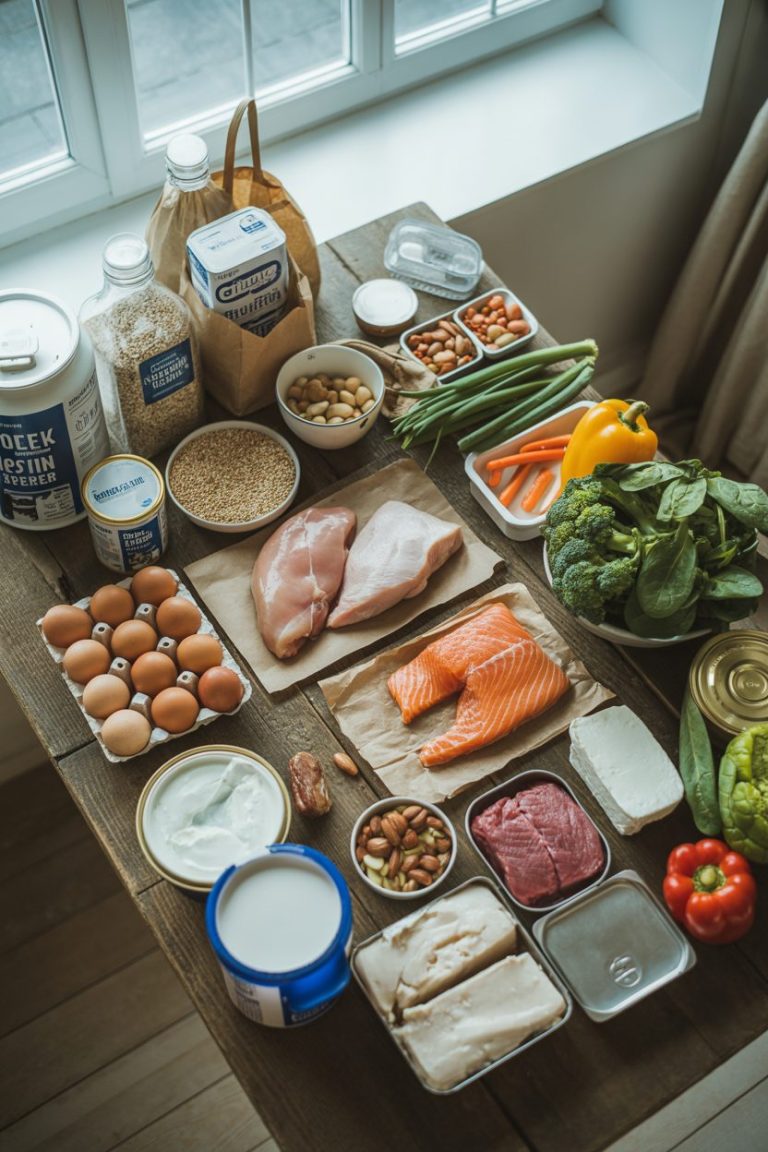
A solid grocery list prevents the dreaded 6 PM “what’s for dinner” panic that leads to ordering takeout for the third time this week. I break mine down into proteins, carbs, fats, veggies, and pantry staples.
Proteins:
- Chicken breasts and thighs (boneless, skinless saves time)
- Ground turkey or lean beef
- Salmon or white fish filets
- Eggs (buy the big carton)
- Greek yogurt (plain, full-fat or 2%)
- Cottage cheese
- Tofu or tempeh if you’re into that
Carbs:
- Brown rice or quinoa
- Sweet potatoes
- Oats (old-fashioned, not instant)
- Whole grain bread or wraps
- Pasta (whole wheat or chickpea)
Veggies (Go Wild):
- Broccoli, bell peppers, spinach, kale
- Cherry tomatoes, cucumbers, carrots
- Zucchini, mushrooms, cauliflower
- Frozen mixed veggies for backup
Healthy Fats:
- Avocados
- Mixed nuts and seeds
- Olive oil
- Nut butter (almond or peanut)
Pantry Heroes:
- Spices and seasonings (garlic powder, paprika, cumin, Italian seasoning)
- Low-sodium soy sauce or coconut aminos
- Hot sauce (because life needs flavor)
- Canned beans and chickpeas
- Protein powder (optional but handy)
Want to know what protein-focused folks are really buying? Here’s the ultimate grocery list for protein lovers that covers all the bases without the fluff.
Week-by-Week Breakdown
Week 1: Getting Your Bearings
The first week is about establishing the rhythm without overwhelming yourself. Don’t try to prep every single meal for seven days straight. Start with lunches and dinners—breakfast can be simple enough to handle day-of.
Pick two or three protein sources to prep in bulk. I usually go with grilled chicken breasts, ground turkey taco meat, and hard-boiled eggs. Season the chicken with whatever spices you’re feeling (I rotate between garlic herb, cajun, and lemon pepper), cook the turkey with taco seasoning, and throw the eggs in an instant pot for foolproof peeling.
Roast a bunch of veggies—sheet pans of broccoli, bell peppers, and sweet potato chunks work great. Batch cook some brown rice or quinoa in a rice cooker and you’re basically done.
For breakfast, keep it stupid simple: overnight oats prepped in mason jars, or Greek yogurt parfaits. Both take five minutes to assemble and you can grab them on your way out the door.
Sample Day 1-7 Structure:
- Breakfast: Overnight oats with protein powder, berries, and almond butter
- Lunch: Grilled chicken, quinoa, roasted veggies
- Dinner: Turkey taco bowls with brown rice, black beans, salsa, avocado
- Snacks: Hard-boiled eggs, Greek yogurt, mixed nuts
By the end of week one, you’ll have the basic rhythm down. Meal prep won’t feel like climbing Everest anymore—it’ll just be something you do on Sunday afternoon while catching up on podcasts.
🎯 Join Our Meal Prep Community
Want weekly meal prep tips, grocery lists, and recipe updates delivered straight to your phone? Join our free WhatsApp community where real people share their wins, struggles, and favorite protein-packed recipes.
Get instant access to: Weekly meal plans, money-saving shopping hacks, kitchen tool recommendations, and motivation when you need it most.
Join WhatsApp Community FreeWeek 2: Adding Variety Without Losing Your Mind
Alright, you’ve survived week one. Now let’s mix things up so you don’t get bored and bail on the whole plan. The key here is changing flavors and textures while keeping the prep process similar.
This week, swap one protein source. If you did chicken last week, try salmon or lean beef. Keep the others if they’re working. Change up your carb—maybe sub sweet potatoes for regular potatoes, or try pasta instead of rice.
I’m also a big fan of making everything feel different by changing the seasoning profile. Chicken meal prep recipes don’t have to be boring when you know how to season them right. Mexican-spiced chicken hits completely different from Italian herb or Asian-inspired teriyaki.
For variety without extra work, prep “base” ingredients that can be combined different ways throughout the week. Grilled chicken can go in salads, grain bowls, wraps, or stir-fries depending on what veggies and sauce you pair it with.
Sample Day 8-14 Structure:
- Breakfast: Scrambled eggs with spinach and whole grain toast
- Lunch: Salmon, roasted sweet potatoes, asparagus
- Dinner: Lean beef stir-fry with mixed veggies over brown rice
- Snacks: Protein smoothie, carrots with hummus
Week two is also when meal prep starts feeling less like a chore and more like autopilot. You know what works, you’ve got your system, and you’re not second-guessing every decision.
Need more protein-forward options that won’t bore you to tears? These 21 recipes are designed to keep you full and satisfied all week long.
Week 3: Locking In the Habit
By week three, meal prep should feel pretty natural. You’re not staring at recipes like they’re written in ancient hieroglyphics. You know your portions, you know what you like, and you’ve figured out which containers actually seal properly.
This is the week to experiment a bit more if you’re feeling confident. Try a new protein source—maybe shrimp, lean pork tenderloin, or ground turkey in different formats. Add a new veggie you’ve been curious about. Make a batch of protein-packed bowls with different flavor profiles.
The goal here isn’t perfection—it’s sustainable consistency. If you mess up a recipe or realize you hate a particular combination, no big deal. You’ve got other prepped meals as backup, and you’ll know for next time.
Sample Day 15-21 Structure:
- Breakfast: Egg muffins with veggies and turkey sausage
- Lunch: Shrimp and quinoa bowl with roasted brussels sprouts
- Dinner: Beef and veggie sheet pan dinner
- Snacks: Cottage cheese with fruit, handful of almonds
By the end of three weeks, you’re not following a meal prep plan anymore—you’ve become someone who just meal preps. That’s the real win here.
Making It Work With Your Actual Life
When You Travel or Have Events
Real talk: life happens. You’re going to have weddings, work trips, dinner parties, and random Tuesday nights where everything goes sideways. The meal prep gods will forgive you.
The key is not letting one off-plan meal derail your entire week. Ate pizza at your cousin’s birthday party? Cool. Get back on track with your next prepped meal. No guilt, no “starting over Monday,” just continue with what you already made.
When traveling, I try to prep portable protein-packed options that don’t require refrigeration for a few hours: protein bars, nut butter packets, beef jerky (the good kind, not gas station mystery meat). Pack some in your bag so you’re not stuck choosing between airport food and starvation.
Dealing With Meal Prep Fatigue
Look, even the most dedicated meal preppers get tired of containers sometimes. If you find yourself dreading opening the fridge, it’s time to change something up.
Maybe you need different containers—sometimes the same Tupperware every day gets old. Or maybe you need to prep fewer days’ worth at a time. There’s no rule saying you must prep for seven days. If five works better for your sanity, do five.
You can also try theme weeks. Asian-inspired week, Mediterranean week, Tex-Mex week—whatever keeps it interesting. The structure stays the same, but the flavors rotate enough to prevent boredom.
For weeks when you just can’t even, focus on prepping individual components rather than full meals. Having cooked protein, washed veggies, and cooked grains ready means you can throw something together in five minutes without starting from scratch.
Common Mistakes and How to Avoid Them
Trying to Make Restaurant-Quality Food
Meal prep doesn’t need to look Instagram-perfect or taste like it came from a Michelin-starred kitchen. Honestly, chasing that standard is what burns people out. Your goal is nutritious, satisfying food that supports your fitness goals—not impressing random strangers on social media.
Simple seasonings, properly cooked protein, and a variety of veggies will get you 90% of the way there. Save the fancy recipes for date night.
Not Accounting for Portion Sizes
This one trips people up constantly. You diligently prep all your meals, pat yourself on the back, then wonder why you’re not seeing results. Plot twist: you’re eating way more (or way less) than you think.
Those portion control containers exist for a reason. Use them, at least initially, until you develop an intuitive sense of what a proper serving looks like. Four ounces of chicken looks different on different plates, and your brain is terrible at estimation.
Making Every Meal the Same
I know I said simplicity matters, but eating identical meals seven days straight is a recipe for failure. Even if you love something, by day five you’ll be eyeing that takeout menu like it’s calling your name.
Prep in smaller batches, rotate proteins, change your seasoning game. You can meal prep smart without meal prepping boring.
If you’re struggling with variety, check out these high-protein pasta recipes and Mediterranean-inspired options. Same prep principles, totally different flavors.
Adapting for Different Goals
If You’re Trying to Lose Fat
For fat loss, the name of the game is creating a calorie deficit while keeping protein high to preserve muscle. You’ll want to keep portion sizes in check—especially on those healthy fats, which are calorie-dense even though they’re good for you.
Focus on high-volume, low-calorie foods to stay full. Load up on veggies, choose leaner proteins like chicken breast and white fish, and be mindful of how much oil you’re using in cooking. You don’t need to eliminate anything, just be strategic about portions.
A structured 5-day plan focused on weight loss can help you dial in the right portions and timing without guesswork.
If You’re Trying to Build Muscle
Building muscle requires eating in a slight calorie surplus—maybe 200-300 calories above maintenance. You need those extra calories to fuel muscle growth, but you don’t want to go so overboard that you’re packing on unnecessary fat.
Up your carb portions slightly, especially around workouts. Add an extra scoop of rice, throw in some extra oats at breakfast, or add more starchy veggies. Protein stays high (obviously), and don’t be afraid of dietary fat.
Timing matters a bit more here. Try to get some protein and carbs within an hour or two post-workout. It doesn’t need to be a fancy post-workout shake—a prepped meal works just fine.
If You’re Maintaining or Recomping
Maintenance is actually the hardest phase for most people because there’s no dramatic scale movement to keep you motivated. You’re eating roughly at maintenance calories while training consistently, letting your body slowly recomp—losing fat and building muscle simultaneously.
This is where consistency in meal prep truly shines. You’re not chasing quick results; you’re building sustainable habits. Keep protein high, eat mostly whole foods, and don’t stress over small fluctuations.
Budget-Friendly Strategies
Let’s be honest: meal prep can get expensive if you’re not paying attention. But it doesn’t have to be. Some of the cheapest proteins are also the most versatile—eggs, canned tuna, dried beans, and yes, chicken thighs (which are cheaper and more flavorful than breasts).
Buy in bulk when things go on sale and freeze what you won’t use immediately. Ground turkey, chicken breasts, and even salmon freeze beautifully. Stock up when prices drop and you’ll save a ton over time.
Frozen vegetables are your friend. They’re picked at peak ripeness, flash-frozen, and often cheaper than fresh. Plus, they won’t go bad if you forget about them for a week. No more throwing away sad, wilted spinach.
For some seriously practical ideas that won’t destroy your bank account, these budget-friendly high-protein recipes prove you don’t need premium ingredients to hit your macros.
Generic brands work just as well as name brands for most staples. Save your money for the things that actually matter, like quality protein powder or a good chef’s knife.
Quick Wins for Faster Prep
Time is usually the biggest barrier to consistent meal prep. But there are shortcuts that don’t compromise quality.
An air fryer cuts cooking time dramatically. Chicken breasts that take 25-30 minutes in the oven? Done in 12-15 minutes in the air fryer. Same with veggies. These air fryer recipes prove how much time you can save.
Ninja Foodi 8-Quart Digital Air Fryer with Protein Settings
This thing changed my meal prep game completely. I used to spend 90 minutes on Sunday prepping proteins—now it’s 35 minutes, tops. The protein presets are clutch for chicken, fish, and beef, and the 8-quart capacity means I can cook an entire week’s worth of chicken in two batches.
Why It’s Worth Every Penny:
- Cooks 5 chicken breasts at once—no more batch cooking for hours
- One-touch protein presets take the guesswork out of temps and timing
- Crisps without oil—hits macros without unnecessary fat calories
- Dishwasher-safe basket means cleanup takes literally 30 seconds
- Meal prep mode keeps food warm while you finish other batches
- Even cooking (no more raw centers or burnt edges)
Pre-cut vegetables might cost a bit more, but if it’s the difference between actually prepping and ordering takeout, it’s worth every penny. Same goes for rotisserie chicken—not as cheap as raw chicken, but way faster.
Batch cooking doesn’t mean you cook everything at once. Multitask. While chicken is in the oven, cook rice on the stove and chop veggies. Use every burner and your oven simultaneously. Turn meal prep into an efficient assembly line rather than a sequential process.
Need meals on the table fast? These 30-minute dinners packed with protein are game-changers for busy nights.
Special Considerations
Vegetarian Protein Sources
Not everyone eats meat, and that’s totally fine. Plant-based proteins require a bit more planning to hit those targets, but it’s absolutely doable. Legumes, tofu, tempeh, seitan, and high-protein grains like quinoa become your MVPs.
Combining incomplete proteins throughout the day ensures you’re getting all essential amino acids. Rice and beans, hummus and pita, peanut butter and whole grain bread—these classic combos exist for a reason.
For practical vegetarian meal prep that doesn’t leave you hungry an hour later, check out these high-protein vegetarian ideas that actually deliver on satiety.
Protein powder can help fill gaps, but whole food sources should be your foundation. Greek yogurt, eggs (if you eat them), and cottage cheese are also protein powerhouses for vegetarians.
Low-Carb or Keto Adjustments
If you’re going low-carb or keto, this plan adapts pretty easily. Swap out the rice, potatoes, and oats for more vegetables and healthy fats. Load up on avocados, nuts, cheese, and fatty cuts of meat.
Cauliflower rice becomes your new best friend. It’s not rice, let’s be clear about that, but it’s a solid vehicle for sauces and proteins. Same with zucchini noodles, though I’m not convinced they’re worth the effort unless you really miss pasta.
These low-carb meal prep ideas prove you can stay satisfied without loading up on starches.
Freezer-Friendly Options
Not everything needs to be eaten within four days. Some meals actually freeze beautifully, which opens up your meal prep possibilities.
Soups, stews, chili, casseroles, and most cooked proteins freeze well. Cooked grains like rice and quinoa also freeze fine—portion them out before freezing so you can grab what you need.
What doesn’t freeze well? Anything with a high water content like cucumbers, lettuce, or raw tomatoes. Cooked egg whites get weird and rubbery. Dairy-based sauces can separate.
Invest in good freezer-safe containers or heavy-duty freezer bags. Label everything with the date and contents because future you will have no idea what that mystery container is.
These freezer-friendly high-protein meals give you flexibility when life gets chaotic and you need backup options.
💪 Never Run Out of Meal Prep Ideas Again
Stuck in a meal prep rut? Our WhatsApp community shares fresh recipes, prep strategies, and real-time solutions every single day. No boring content, just practical tips from people who actually meal prep.
Plus, you’ll get: Exclusive recipe previews, flash deals on kitchen gear, answers to your meal prep questions within hours, and a supportive crew that gets it.
Click Here to Join NowWrapping This Up
Twenty-one days isn’t magic, but it’s long enough to shift meal prep from something you’re trying to do into something you just do. The goal was never to follow this plan perfectly—it was to build a sustainable system that supports your fitness goals without making you miserable.
You’re going to have off days. Meals that don’t turn out great. Weeks where life gets in the way. That’s all part of the process. What matters is getting back to your prepped containers the next day without drama or guilt.
The best meal prep plan is the one you’ll actually stick with. If that means prepping five days instead of seven, or keeping things simpler than what I’ve outlined here, do that. Progress beats perfection every single time.
Now go prep some food. Your future self will thank you when they’re not standing in front of an empty fridge at 7 PM trying to figure out what to eat.