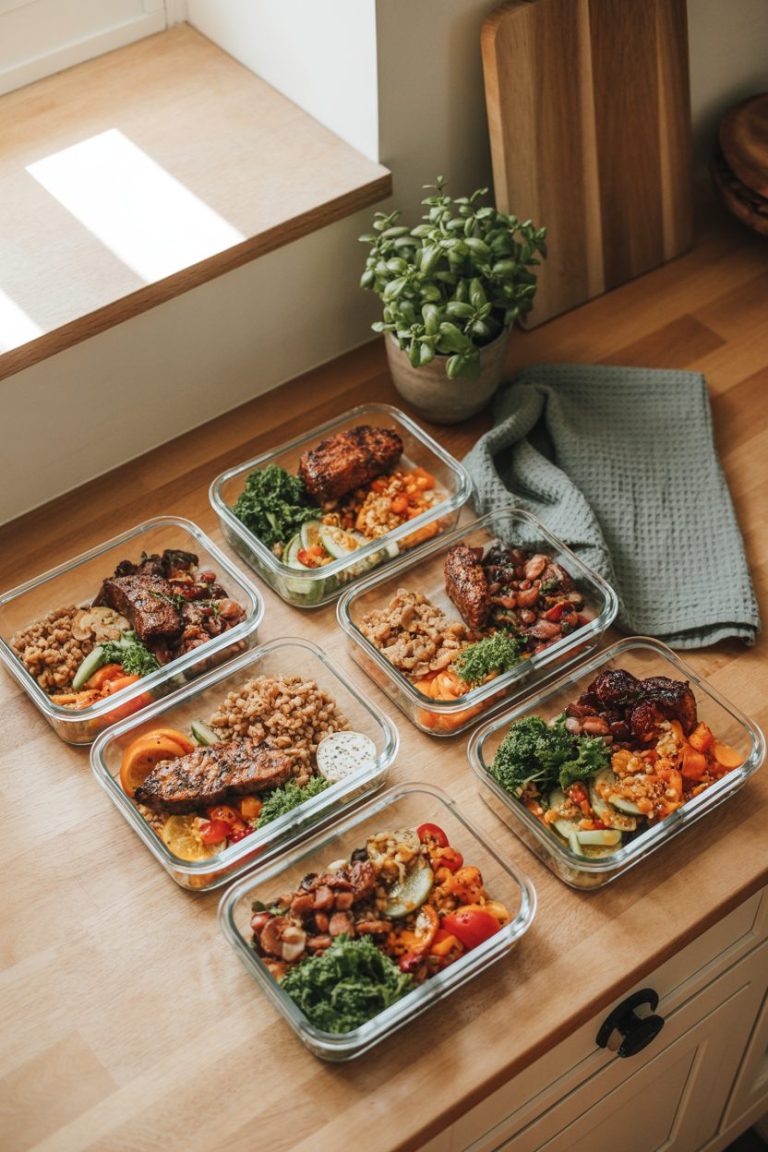
7-Day Protein Boost Meal Prep Challenge
Let me guess—you’re here because you’ve tried meal prepping before and lasted maybe three days before you were back to grabbing whatever sad sandwich was left in the work fridge. Or maybe you’re one of those people who knows they should be eating more protein but honestly can’t be bothered to figure out where to start.
Well, buckle up. This isn’t your typical “prep 47 containers on Sunday and hate your life by Wednesday” situation. This is a 7-day protein-focused challenge that actually makes sense for real humans with real lives. No fancy equipment required, no Pinterest-perfect photos necessary, and definitely no meal prep shaming here.
Why Protein Actually Matters (And Why You’re Probably Not Getting Enough)
Here’s the thing about protein that nobody really talks about: it’s not just for gym bros chugging shakes at 5 AM. According to Harvard Health, most adults need way more than the basic 0.8 grams per kilogram recommendation—especially if you’re trying to maintain muscle as you age, stay fuller longer, or just not feel like a garbage fire by 3 PM.
IMO, the biggest issue isn’t that people don’t want to eat more protein. It’s that planning protein-rich meals feels like solving a Rubik’s cube blindfolded. You’re tired, you’re hungry, and suddenly that bag of chips looks like a perfectly reasonable dinner option.
The solution? A strategic week of meal prep basics that sets you up for success without requiring you to become a professional chef or invest in a second refrigerator.
The Real Benefits of a Protein-Focused Week
Look, I’m not going to promise you’ll wake up with abs after seven days. But what you will notice is pretty compelling. Research from Mayo Clinic shows that spreading 15-30 grams of protein across your meals helps with everything from muscle maintenance to keeping you satisfied between meals.
Reduced decision fatigue is probably the biggest win. When you know exactly what you’re eating and when, you stop standing in front of the fridge at 7 PM wondering if cereal counts as dinner. You also save a ridiculous amount of money—no more emergency takeout runs or impulse grocery store trips where you somehow spend $60 on “just a few things.”
And here’s something nobody tells you: prepping protein-rich meals actually makes you better at cooking. You start figuring out which seasonings you like, how long different proteins take to cook, and what combinations don’t make you want to fake your own death by day four.
Setting Up Your Protein Prep Arsenal
Before we get into the actual challenge, let’s talk gear. You don’t need a fancy smart meal prep system with temperature control and Wi-Fi connectivity, but you do need some basics that’ll make your life easier.
First up: containers. Get yourself some glass meal prep containers with snap lids—the kind that won’t turn orange from spaghetti sauce or warp in the microwave. I learned this the hard way after my plastic containers started looking like a modern art exhibit.
A decent food scale helps if you’re actually trying to hit specific protein targets, though honestly, you can eyeball it pretty well once you get the hang of portion sizes. And if you’re serious about making this stick, grab a slow cooker or instant pot. These things are basically cheat codes for protein prep—throw stuff in, walk away, come back to perfectly cooked chicken or beef.
For storage, invest in some reusable silicone bags for marinating and freezing. They’re better for the environment than those disposable ones, and they actually save you money in the long run. Plus, they don’t get that weird freezer smell that makes everything taste like your grandmother’s basement.
Day 1-2: The Foundation Phase
Getting Your Protein Sources Sorted
The first two days are all about building your foundation without overwhelming yourself. Start by picking three protein sources you actually like eating. Not what you think you should eat, but what you’ll genuinely look forward to.
Maybe that’s chicken breast, maybe it’s tofu, maybe it’s ground turkey—doesn’t matter. Just pick three and commit. I usually go with chicken thighs (more forgiving than breasts), eggs (because duh), and whatever fish is on sale. If you’re looking for solid starting points, check out these chicken-based meal prep recipes that actually taste good reheated.
Batch cook your proteins on Day 1. Season them simply—salt, pepper, garlic powder. Don’t get fancy yet. Simple seasoning means you can repurpose these proteins into different meals throughout the week without everything tasting identical.
Day 2 is for prepping your sides and figuring out your breakfast situation. If you’re not a breakfast person, fine—make some high-protein snacks you can grab instead. Hard-boiled eggs, protein balls, whatever works.
The Breakfast Solution
Breakfast is where most people immediately fail at protein goals. You’re rushing, you’re barely conscious, and suddenly you’ve eaten a granola bar that has less protein than a piece of paper.
Here’s my move: egg muffins in a muffin tin. Mix eggs with whatever vegetables you have, pour into a silicone muffin pan, bake for 20 minutes. Done. You’ve got grab-and-go breakfast for the week that actually has protein in it.
Or if you’re really not feeling the egg thing, overnight oats work. Mix them with protein powder, some chia seeds, and whatever milk you prefer. Stack them in the fridge in mason jars (yes, I’m that person) and you’re golden.
Speaking of protein-packed mornings, you might want to explore these beginner-friendly high-protein meal prep ideas that make the whole process less intimidating.
Day 3-4: Building Momentum
By day three, you should have some cooked proteins sitting in your fridge and a vague sense of accomplishment. This is where things get interesting because you’re going to start actually assembling meals instead of just eating plain chicken like some kind of medieval peasant.
Take those simply seasoned proteins and turn them into actual dishes. Add sauces, throw them over grains, mix them into bowls. This is where having a good set of small sauce containers comes in handy—keep your sauces separate until you’re ready to eat so nothing gets soggy.
The Bowl Method
Ever wonder why bowl restaurants are everywhere? Because bowls are impossible to mess up. Grain + protein + vegetables + sauce = food. Revolutionary, I know.
Build yourself 3-4 different bowl combinations using your prepped proteins. Maybe one with quinoa and Mediterranean flavors, another with rice and Asian-inspired seasonings. Variety keeps you from wanting to throw your meal prep containers out the window by Thursday.
For inspiration that goes beyond “chicken and rice for the millionth time,” check out these 21 high-protein bowl ideas that prove meal prep doesn’t have to be boring.
Lunch vs. Dinner Strategy
Here’s a controversial opinion: your lunch doesn’t need to be different from your dinner. I know, I know—everyone acts like eating the same thing twice in one day is some kind of culinary crime. But honestly? It’s efficient, and efficiency is the whole point here.
Make larger portions and eat them for both meals. Or if you’re someone who genuinely can’t handle that level of repetition, prep two different protein bases and alternate them. Ground turkey for lunches, chicken for dinners. Problem solved.
Day 5-6: The Danger Zone (And How to Survive It)
Days 5 and 6 are when most people crash and burn. Your meal prep containers are looking less exciting, your motivation is waning, and that new Thai place down the street is calling your name.
This is where having a backup plan saves you. Keep some easy protein options in your freezer—frozen shrimp, pre-cooked chicken strips, whatever. Not ideal, but better than derailing completely because you couldn’t face another container of the same meal.
I also keep a stash of individual protein shake packets for emergencies. Yeah, they’re processed. Yeah, they’re not “real food.” But you know what? Sometimes you need backup, and there’s no shame in that.
Meal Prep Containers Set]
Premium Glass Meal Prep Containers (5-Pack)
After destroying three sets of plastic containers, I finally invested in these glass ones and haven’t looked back. They’re leak-proof (actually leak-proof, not “leak-proof until you put them in your bag”), microwave and dishwasher safe, and the lids snap on without requiring a engineering degree.
- BPA-free borosilicate glass won’t stain or retain odors
- Airtight locking lids keep food fresh for 5-7 days
- Portion-controlled sizes perfect for protein-focused meals
- Oven-safe up to 450°F (remove lid)
- Lifetime replacement guarantee
Repurposing Your Proteins
If you’re getting sick of your prepped meals, repurpose don’t replace. That grilled chicken you’re tired of? Shred it, mix it with BBQ sauce, boom—you’ve got pulled chicken. Those boring roasted vegetables? Blend them into a soup. That quinoa you’re avoiding? Turn it into a fried rice situation with eggs and soy sauce.
The immersion blender I impulse bought last year has honestly saved multiple meal prep weeks. Anything can become soup if you’re brave enough and have a blender.
For more ways to keep things interesting, these 30-minute high-protein dinners show you how to pivot quickly when you need something different but still protein-focused.
Join Our Meal Prep Community
Want daily meal prep tips, recipe inspiration, and motivation to stay on track? Join our WhatsApp community where we share quick recipes, prep hacks, and support each other through the meal prep journey. No spam, just real people sharing what works.
Join WhatsApp ChannelDay 7: Wrapping Up and Planning Ahead
You made it. Seven days of actually eating protein-rich meals instead of just thinking about it. By this point, you should have a pretty good sense of what worked and what made you want to fake your own death.
Take notes—seriously. What meals did you actually enjoy? Which proteins were easiest to work with? What recipes can you completely forget ever existed? This isn’t about perfection; it’s about figuring out a sustainable system that fits your actual life.
The Post-Challenge Reality Check
Here’s what you probably learned this week: meal prepping is less about having Instagram-worthy containers and more about removing the friction between you and decent food choices. When eating well is easier than ordering takeout, you’re more likely to do it.
If you found yourself really vibing with certain meal types, double down on those. Maybe you discovered you’re a breakfast person after all, or that you’re perfectly fine eating the same lunch every day but need dinner variety. Studies from Mayo Clinic Health System confirm that the best protein plan is the one you’ll actually stick with long-term.
And if you want to keep the momentum going, these 21 high-protein meal prep recipes will keep you fed without repeating this exact week forever.
The Truth About Protein Goals
Let’s talk numbers for a second. According to the American Heart Association, the standard recommendation sits around 0.8 grams per kilogram of body weight. But if you’re active, trying to build or maintain muscle, or just want to feel fuller longer, you might benefit from closer to 1.2-1.7 grams per kilogram.
That sounds like a lot of math, and honestly, it is. But here’s the practical version: aim for 25-35 grams of protein per meal. That’s roughly a palm-sized portion of chicken, a cup of Greek yogurt, or about 4-5 eggs. Easier to visualize than calculating ratios on a napkin at 6 AM, right?
Plant-Based Protein Options
Quick sidebar for anyone who doesn’t eat meat: protein prep is absolutely doable without animal products, it just requires slightly more planning. Tofu, tempeh, legumes, and protein-rich grains like quinoa and farro become your best friends.
The trick with plant proteins is combining them throughout the day to get complete amino acid profiles. That might sound complicated, but it basically means eating a variety of protein sources rather than just beans for every single meal. These high-protein vegetarian meal prep ideas make it way less confusing.
Pro tip: nutritional yeast is basically magic powder that adds protein and a cheesy flavor to everything. I put it on popcorn, pasta, roasted vegetables—basically anything that doesn’t explicitly scream “dessert.”
The Complete High-Protein Meal Prep Toolkit
Struggling to figure out what equipment actually makes meal prep easier (and what’s just expensive clutter)? I tested 50+ products over 6 months and compiled everything that actually earned its spot in my kitchen.
- Exact containers that don’t leak, stain, or warp (with price comparisons)
- The only 5 tools you really need for protein-focused meal prep
- Budget-friendly alternatives to expensive “meal prep systems”
- What to skip completely (save your money and counter space)
Common Meal Prep Mistakes (That I’ve Definitely Made)
Let me save you some pain by sharing the mistakes I’ve personally made so you don’t have to:
Over-complicating recipes. That fancy 15-ingredient marinade looks great on paper, but by week three you’ll be back to salt and pepper. Keep it simple, especially at first.
Prepping foods you don’t actually like. No matter how healthy kale is supposed to be, if you hate it, you’re not going to eat it. Stop forcing yourself to eat things just because Instagram told you to.
Ignoring texture. Some things just don’t reheat well. Crispy things get soggy, some vegetables turn to mush. Air fryers can resurrect some foods, but others are just lost causes. Accept this and plan accordingly.
Not labeling anything. You think you’ll remember what’s in that container, but you won’t. Masking tape and a marker are your friends. Date everything.
Budget-Friendly Protein Strategies
Protein can get expensive fast if you’re not strategic. Here’s how to keep costs reasonable without living on ramen:
Buy proteins on sale and freeze them immediately. When chicken goes on sale, buy extra and freeze it. Same with ground meat, fish, whatever. Your freezer is basically a time machine for sales.
Eggs are still one of the cheapest protein sources out there, despite what your Instagram feed might suggest about $8 organic heritage breed eggs being the only acceptable option. Regular eggs work just fine.
Canned fish and beans are criminally underrated. A can of tuna or chickpeas costs like a dollar and lasts forever in the pantry. They might not be sexy, but they get the job done. Check out these budget-friendly high-protein meal prep recipes for more wallet-conscious options.
Greek yogurt in large containers instead of individual serving sizes saves money and reduces packaging waste. Win-win, even though it means actually washing spoons instead of just throwing away plastic cups.
Digital Kitchen Scale]
AccuTrack Digital Food Scale with Protein Calculator
Game changer for hitting protein targets without doing mental math at 6 AM. This scale has a built-in nutritional calculator that tells you exactly how much protein is in your portion. No apps, no complicated setup—just weigh your chicken, press the protein button, done.
- Built-in database of 500+ common protein sources
- Measures in grams, ounces, and pounds with 0.1g precision
- Tracks macros automatically (protein, carbs, fat, calories)
- Easy-clean tempered glass surface
- Compact design fits in any kitchen drawer
- USB rechargeable (no more dead batteries)
Adapting for Different Lifestyles
The Busy Professional Reality
If you’re working long hours and barely have time to breathe, let alone meal prep, focus on breakfast and lunch. Prep those, and if dinner ends up being scrambled eggs or takeout, whatever. You’re still ahead of where you started.
Keep protein bars in your desk drawer for emergencies. Not as a meal replacement, but as backup when meetings run long and your prepped lunch is still in the office fridge three floors away.
21 High-Protein Pantry Staples That Never Go Bad
Ever opened your pantry and realized you have nothing that actually helps with protein goals? This guide breaks down the shelf-stable protein sources I always keep stocked—plus the exact brands worth buying and which ones are overpriced nonsense.
- Canned and jarred proteins that actually taste good
- Protein-rich grains and legumes with exact shelf life
- The best protein powders for different needs (with honest reviews)
- Emergency backup foods that won’t wreck your progress
- Money-saving bulk buying strategies for protein staples
For seriously time-crunched professionals, this 7-day high-protein plan specifically designed for busy schedules might be more your speed.
The Family Meal Prep Situation
Feeding multiple people with different preferences is its own special challenge. The strategy here is component prepping rather than full meals. Prep proteins and sides separately, then let people assemble their own combinations.
Make a big batch of seasoned ground meat, some rice, roasted vegetables, and various sauces. Everyone builds their own bowls, everyone’s happy, you only cooked once. It’s like a DIY restaurant situation.
Tracking Progress Without Losing Your Mind
Look, you can track every gram of protein if you want, but honestly? Most people don’t need that level of detail. If you’re eating protein at every meal and not feeling hungry constantly, you’re probably doing fine.
That said, if you’re curious or trying to hit specific goals, apps exist. They’re annoying and tedious, but they work. Or just take a photo of your meals for a week and see if you notice any patterns. Visual tracking is sometimes easier than logging everything.
The real markers of success are simpler: Are you less hungry between meals? Do you have more energy? Are you recovering better from workouts? Are you not spending your entire paycheck on takeout? These matter more than hitting some arbitrary number.
Final Thoughts: Make It Work for You
Here’s what I want you to take away from this whole thing: meal prep isn’t about perfection. It’s not about having matching containers or eating chicken breast seven days a week or whatever other nonsense the internet has convinced you is necessary.
It’s about making it slightly easier to feed yourself decent food when you’re tired, busy, or just can’t be bothered to think about what’s for dinner. Some weeks you’ll nail it. Some weeks you’ll eat cereal for three dinners. Both scenarios are fine.
The protein focus matters because protein helps you feel fuller, maintains muscle, and generally makes everything work better. But it doesn’t have to be complicated. Eat some protein with each meal, prep when you can, and give yourself permission to be imperfect.
Stay Connected with Fellow Meal Preppers
Ready to make meal prep a lifestyle? Our WhatsApp community is full of people just like you—figuring it out one container at a time. Get exclusive recipes, troubleshoot prep problems, and celebrate your wins with others who get it. Plus, we share weekly grocery hauls and what actually worked (or didn’t).
Join the Community NowStart with this 7-day challenge and see what sticks. Maybe you’ll discover you love meal prepping and want to expand to freezer-friendly meals for longer-term planning. Or maybe you’ll realize you’re more of a “prep proteins and sides, assemble daily” person. Either way, you’re figuring out a system that works for your life.
And remember: the best meal prep system is the one you’ll actually use. Not the prettiest one, not the most elaborate one, not the one that gets the most likes on social media. The one that makes your life easier and keeps you fed with decent food. That’s it. That’s the whole game.
Now stop reading articles about meal prep and go actually do it. Your future self—the one who’s not standing in the kitchen at 8 PM wondering what the hell to eat—will thank you.