5-Day High-Protein Meal Plan for Weight Loss (Printable)
You’ve tried counting calories until your brain hurt, downloaded seventeen different meal planning apps, and probably Googled “why am I always hungry” more times than you’d like to admit. I’ve been there, and here’s what nobody tells you upfront: weight loss isn’t about eating less—it’s about eating smarter.
This 5-day meal plan focuses on high-protein meals that actually keep you full, not those “diet foods” that leave you raiding the pantry two hours later. I’m talking real food that tastes good, doesn’t require a culinary degree to prepare, and won’t have you fantasizing about bread at 3 PM.
Each day clocks in around 1,500-1,700 calories with 100+ grams of protein. That protein target isn’t arbitrary—it’s the sweet spot for maintaining muscle while losing fat, keeping your metabolism humming, and not feeling like you’re starving yourself. Ready to actually eat food while losing weight? Let’s go.
Why High-Protein Meal Plans Work for Weight Loss
Let’s cut through the diet industry nonsense for a second. Protein keeps you full because it triggers satiety hormones and slows down digestion. Research on protein and weight loss shows that higher protein intake can increase metabolism by 80-100 calories per day while significantly reducing hunger.
But here’s the part that matters more for actual weight loss: when you eat enough protein, you lose fat instead of muscle. Most diets make you lose both, which tanks your metabolism and sets you up to gain everything back. Protein protects your muscle mass, which means you’re burning more calories even when you’re sitting on the couch.
For weight loss, aiming for about 25-35% of your calories from protein hits the sweet spot. That translates to roughly 100-130 grams if you’re eating 1,500-1,700 calories daily. Sounds like a lot? It’s easier than you think once you see how these meals stack up.
Also, protein-rich foods tend to be less processed and more nutrient-dense, which means you’re getting vitamins, minerals, and fiber along with your protein. You’re not just losing weight—you’re actually nourishing your body properly.
How This Meal Plan Works
This isn’t one of those restrictive plans where you eat plain chicken and steamed broccoli until you want to scream. Each day includes three meals and one snack, all designed to keep you satisfied while creating the calorie deficit needed for weight loss.
Daily Breakdown:
- Breakfast: 350-400 calories, 25-30g protein
- Lunch: 400-450 calories, 30-35g protein
- Dinner: 450-500 calories, 35-40g protein
- Snack: 200-250 calories, 15-20g protein
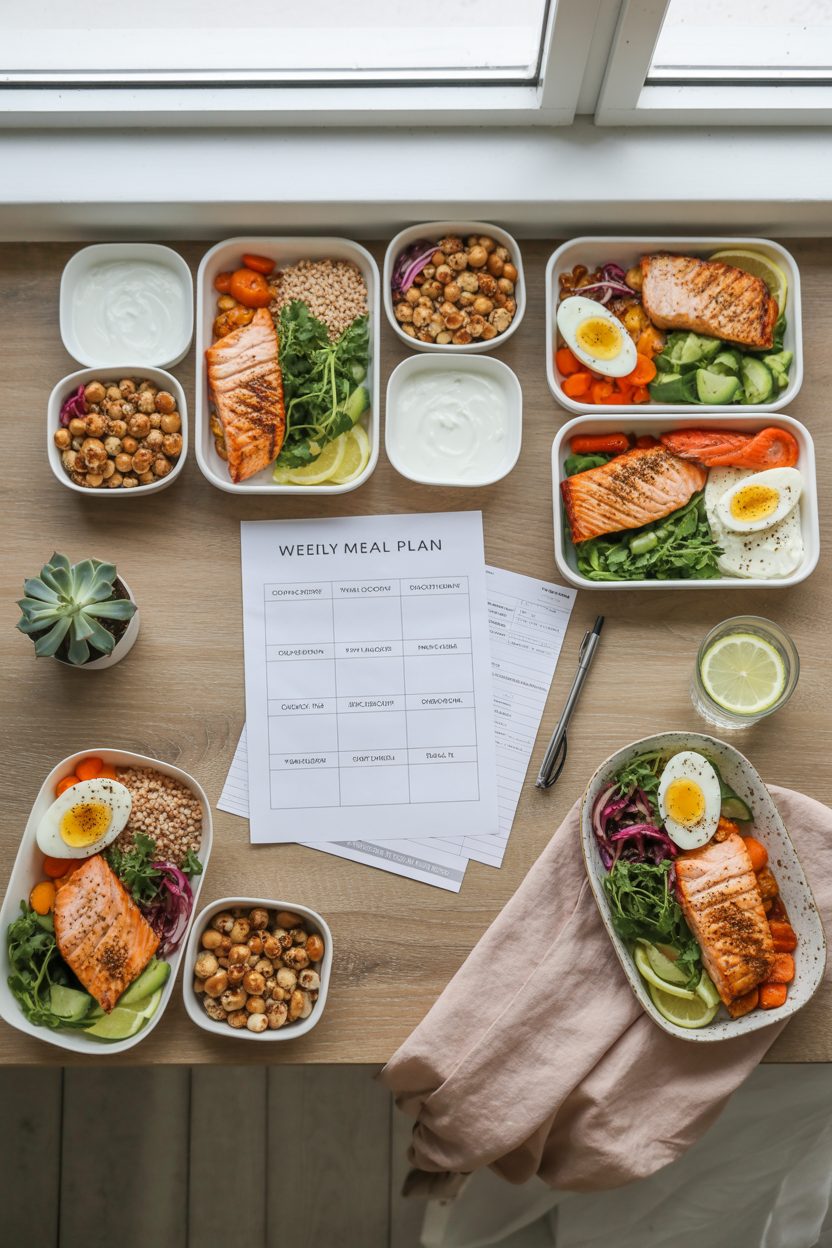
I’ve kept the meals simple because nobody has time to cook three elaborate meals every single day. Most of these recipes use basic ingredients you can find at any grocery store, and several items get prepped once and used multiple times throughout the week.
You’ll notice I’m not telling you to eat at specific times—eat when you’re hungry within reason. Some people prefer bigger dinners, others like substantial breakfasts. Adjust the meal sizes to fit your schedule, just keep the total daily protein and calories in the right range.
Shopping List Essentials
Before we get into the daily plans, here’s what you’ll need for the week. Print this list, hit the grocery store once, and you’re set:
Proteins:
- Chicken breasts (2 lbs)
- Ground turkey (1 lb)
- Salmon fillets (4)
- Eggs (18)
- Greek yogurt, plain (32 oz)
- Cottage cheese (16 oz)
Vegetables:
- Spinach (2 bags)
- Broccoli (2 heads)
- Bell peppers (4)
- Cherry tomatoes (1 pint)
- Cucumber (2)
- Mixed salad greens
- Asparagus (1 bunch)
Other Staples:
- Quinoa (1 cup dry)
- Oats (old-fashioned, 2 cups)
- Whole wheat bread (1 loaf)
- Black beans (2 cans)
- Almond butter
- Protein powder (vanilla or chocolate)
- Feta cheese
- Lemons (3)
Having everything ready before you start makes this so much easier. I use this meal prep set because the containers are actually leakproof and stack well in the fridge, which matters when you’re storing five days of food.
Day 1: Getting Started Right
Breakfast: Greek Yogurt Power Bowl
Start with 1 cup of plain Greek yogurt (around 20g protein), top with 1/4 cup of granola, a handful of berries, and a drizzle of honey. Mix in a tablespoon of almond butter for healthy fats that keep you satisfied.
Total: 380 calories, 28g protein
The plain Greek yogurt is crucial here—flavored versions are loaded with sugar. Add your own sweetness with fruit and a tiny bit of honey, and you’re controlling the sugar while maximizing protein.
Lunch: Grilled Chicken Quinoa Bowl
Grilled chicken breast (4 oz) over 1/2 cup cooked quinoa, with cherry tomatoes, cucumber, spinach, and a lemon-tahini dressing. Top with 2 tablespoons of crumbled feta.
Total: 425 calories, 38g protein
Quinoa is one of those rare plant-based complete proteins, so even without the chicken, you’re getting quality protein. The feta adds flavor without going overboard on calories. Get Full Recipe for a similar Mediterranean-style bowl with even more vegetable options.
Dinner: Baked Salmon with Roasted Vegetables
A 5 oz salmon fillet with roasted broccoli and bell peppers, seasoned with olive oil, lemon, and garlic. Salmon is packed with protein and omega-3s, which actually help with fat loss.
Total: 480 calories, 40g protein
Don’t overcook the salmon—that’s where most people mess up. It should be slightly translucent in the center when you pull it from the oven. It’ll finish cooking as it rests, and you’ll have moist, flaky fish instead of dry cardboard.
Snack: Cottage Cheese and Veggies
1/2 cup cottage cheese with sliced bell peppers or cherry tomatoes. Sounds boring, tastes surprisingly good, and delivers 14g of protein for minimal calories.
Total: 120 calories, 14g protein
If you’re not a cottage cheese person, try mixing in some everything bagel seasoning—it’s a game changer. Or swap for a hard-boiled egg with some carrots if cottage cheese makes you want to cry.
For more meal plan inspiration that follows similar principles, check out these complete high-protein meal plans or try this beginner-friendly weight loss guide for additional structure.
Day 2: Finding Your Rhythm
Breakfast: Scrambled Eggs with Spinach and Whole Wheat Toast
Three eggs scrambled with a handful of spinach, served with one slice of whole wheat toast. Simple, fast, and 24g of protein to start your day.
Total: 360 calories, 24g protein
I cook my eggs in a small non-stick pan that makes cleanup stupid easy—this one is cheap and works great. Add a little garlic powder to the spinach for extra flavor without extra calories.
Lunch: Turkey and Black Bean Lettuce Wraps
Ground turkey (4 oz) cooked with black beans, wrapped in large lettuce leaves with salsa, a dollop of Greek yogurt (instead of sour cream), and a sprinkle of cheese.
Total: 410 calories, 36g protein
The lettuce wraps save you bread calories while adding crunch and freshness. If you need more substance, add 1/4 avocado—the healthy fats are worth the extra calories when you’re trying to stay full.
Dinner: Sheet Pan Chicken and Veggies
Chicken thighs (about 5 oz) with asparagus and cherry tomatoes, all roasted together at 425°F for 25 minutes. Everything cooks on one pan, which means minimal cleanup.
Total: 470 calories, 38g protein
Chicken thighs stay juicier than breasts and have slightly more flavor. Yeah, they have a few more calories, but they’re way more forgiving if you accidentally overcook them, which matters when you’re meal prepping.
Snack: Protein Smoothie
One scoop protein powder blended with 1 cup unsweetened almond milk, 1/2 banana, and a handful of spinach (you won’t taste it, I promise). Quick, portable, and packs 25g of protein.
Total: 220 calories, 25g protein
This is my emergency snack when I’m actually hungry but don’t want to derail everything. Blend it smooth, and even picky eaters won’t notice the spinach hiding in there.
Day 3: Hitting Your Stride
Breakfast: Protein Overnight Oats
Mix 1/2 cup oats with 1 scoop protein powder, 1/2 cup Greek yogurt, 3/4 cup milk, and let it sit overnight. In the morning, top with berries and a teaspoon of almond butter.
Total: 410 calories, 32g protein
Make this the night before, and breakfast is ready when you stumble into the kitchen half-asleep. I prep three jars at once using these glass containers and have breakfast sorted through Wednesday.
Lunch: Chicken Caesar Salad (Lightened Up)
Grilled chicken (4 oz) over romaine lettuce with a lighter Caesar dressing (Greek yogurt-based), parmesan cheese, and cherry tomatoes. Skip the croutons—they’re empty calories that don’t keep you full.
Total: 390 calories, 36g protein
Making your own Caesar dressing with Greek yogurt instead of the traditional mayo-based version cuts calories while boosting protein. Mix Greek yogurt with lemon juice, garlic, parmesan, and a tiny bit of anchovy paste if you’re feeling authentic.
Dinner: Turkey Stuffed Bell Peppers
Bell pepper halves stuffed with ground turkey, quinoa, diced tomatoes, and topped with a little cheese. Bake at 375°F for 25 minutes.
Total: 465 calories, 34g protein
These reheat beautifully, so consider making extra for tomorrow’s lunch. The pepper gets slightly softer after a day in the fridge, but honestly, I prefer it that way. Get Full Recipe for detailed instructions and seasoning suggestions.
Snack: Hard-Boiled Eggs and Cucumber
Two hard-boiled eggs with sliced cucumber and a sprinkle of salt. Dead simple, 12g of protein, and actually satisfying.
Total: 160 calories, 12g protein
I boil a dozen eggs every Sunday and keep them in the fridge all week. Add a little baking soda to the water when boiling—it makes them way easier to peel. Trust me on this one.
Speaking of protein-rich snacks, these high-protein snack ideas offer even more options, and these meal prep snacks are perfect for when you need grab-and-go options.
Day 4: Staying Consistent
Breakfast: Egg White Veggie Scramble
Four egg whites plus one whole egg, scrambled with diced bell peppers, onions, and spinach. Serve with a small piece of whole wheat toast.
Total: 310 calories, 26g protein
Using mostly egg whites cuts calories while keeping protein high. The one whole egg yolk adds flavor and healthy fats—don’t skip it entirely or you’ll be hungry in an hour.
Lunch: Salmon Salad Bowl
Leftover salmon (from Day 1) flaked over mixed greens with cucumber, cherry tomatoes, and a lemon vinaigrette. Add 1/4 cup of chickpeas for extra fiber and plant-based protein.
Total: 420 calories, 32g protein
This is why I tell you to make extra salmon—leftovers become a completely different meal. Cold salmon on salad is surprisingly good, not sad lunch vibes at all.
Dinner: Grilled Chicken with Roasted Sweet Potato
Grilled chicken breast (5 oz) with a small roasted sweet potato and steamed broccoli. Simple, filling, and hits all your macros.
Total: 490 calories, 42g protein
Sweet potatoes get a lot of hype in the fitness world, and honestly, they deserve it. They’re nutrient-dense, satisfy carb cravings, and keep you full longer than white potatoes. Roast them with a tiny bit of cinnamon for a flavor boost that feels like a treat.
Snack: Greek Yogurt with Berries
1/2 cup Greek yogurt with a handful of mixed berries. Quick, protein-packed, slightly sweet.
Total: 140 calories, 14g protein
IMO, this is the perfect afternoon snack when you need something quick but substantial. The berries give you that sweet fix without derailing your whole day.
Day 5: Finishing Strong
Breakfast: Protein Pancakes
Make pancakes using 1 scoop protein powder, 1 egg, 1/4 cup oats, and a splash of milk. Top with a small amount of maple syrup and fresh berries.
Total: 380 calories, 28g protein
These taste way better than you’d expect from “healthy” pancakes. I make a double batch and freeze half—pop them in the toaster for quick breakfasts. This silicone pancake mold makes perfectly round pancakes if you care about presentation.
Lunch: Turkey and Quinoa Power Bowl
Ground turkey (4 oz) over quinoa with black beans, corn, spinach, and salsa. Top with a tablespoon of Greek yogurt and a squeeze of lime.
Total: 440 calories, 38g protein
This meal has everything—protein, complex carbs, fiber, and enough flavor that you’re not choking down plain diet food. The lime and salsa make it taste way better than the sum of its parts.
Dinner: Baked Cod with Asparagus
Cod fillet (6 oz) baked with lemon and herbs, served with roasted asparagus and a small side of quinoa. Cod is lean, mild, and ridiculously high in protein.
Total: 450 calories, 48g protein
Cod is cheaper than salmon and just as protein-dense, though less popular because people don’t know how to cook it without drying it out. Bake it at 400°F for just 12-15 minutes—set a timer, seriously.
Snack: Almond Butter and Apple
One small apple with 1 tablespoon of almond butter. The combination of fiber and healthy fats keeps you satisfied until dinner.
Total: 180 calories, 4g protein
This is more about the healthy fats and fiber than pure protein, but sometimes you need that combination to actually feel full. The crunch of the apple is weirdly satisfying when you’re craving something substantial.
According to nutrition guidelines from the Mayo Clinic, combining protein with fiber-rich foods helps maintain stable blood sugar levels and promotes sustainable weight loss without the energy crashes typical of low-calorie diets.
For more structured meal planning approaches, these printable meal plans offer additional weekly templates, and this weight loss meal prep guide breaks down the prep process step by step.
Meal Prep Strategy for This Plan
Here’s how to make this plan actually work without spending your entire Sunday in the kitchen. FYI, smart meal prep is the difference between success and giving up by Wednesday.
Sunday Prep Session (90 minutes):
- Grill or bake all chicken breasts for the week
- Cook quinoa (makes enough for multiple meals)
- Hard-boil a dozen eggs
- Wash and chop all vegetables
- Portion out Greek yogurt into individual containers
- Prep overnight oats for Days 1-3
Mid-Week Mini Prep (20 minutes on Wednesday):
- Bake salmon and cod for Days 4-5
- Prep any remaining vegetables
- Make protein pancake batter for Day 5
This approach splits the work so you’re not overwhelmed on Sunday and ensures everything is fresh when you eat it. Nobody wants to eat fish that’s been sitting in the fridge for five days.
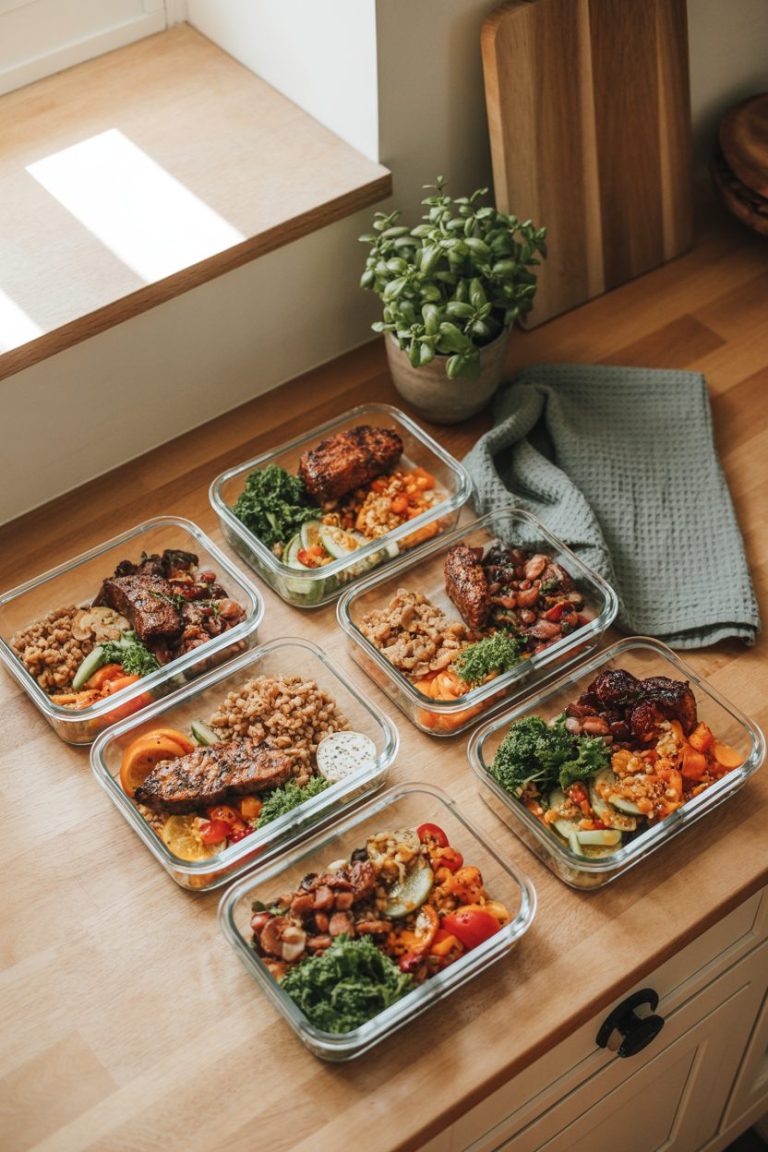
I use these meal prep containers because they’re actually airtight (no leaking in your bag), microwave-safe, and stackable. Having the right storage makes meal prep so much easier.
Tips for Sticking With It
Here’s where most people mess up a meal plan: they treat it like prison instead of a framework. If you hate salmon, swap it for another fish or chicken. Can’t stand cottage cheese? Use Greek yogurt instead. The protein and calorie targets matter more than following this plan exactly.
Stay flexible. Life happens. If you need to eat out one day, look for protein-forward options—grilled chicken salads, fish with vegetables, egg-based breakfast dishes. You can stay on track without being rigid.
Drink actual water. I know, it sounds stupid, but most people walk around slightly dehydrated and mistake thirst for hunger. Keep a water bottle around and sip throughout the day. This insulated bottle keeps water cold for hours, which makes me way more likely to actually drink it.
Don’t fear hunger. Feeling a little hungry before meals is normal and actually healthy. The goal isn’t to never feel hungry—it’s to not feel ravenous and desperate, which leads to bad decisions.
Track your results, not just the scale. Take measurements, progress photos, note how your clothes fit. The scale doesn’t tell the whole story, especially when you’re eating enough protein to maintain muscle.
Adjusting for Your Needs
This plan targets around 1,600 calories, which works for many people trying to lose weight, but your needs might differ based on your height, weight, activity level, and metabolism.
If you’re hungrier: Add another snack or increase portion sizes slightly. An extra 100-200 calories of protein-rich foods won’t derail your progress but might make the plan sustainable.
If you’re less active: You might need fewer calories. Remove one snack or reduce portion sizes slightly, but keep the protein percentages similar.
If you work out regularly: You probably need more than 1,600 calories. Add post-workout protein shakes or larger portions of lean proteins and complex carbs around your training times.
The best meal plan is one you can actually stick with. Don’t suffer through meals you hate just because they fit the macros. Find substitutions that work for you, keep the protein high, and adjust as needed.
Related Recipes You’ll Love
Looking for more ideas to rotate into your meal plan? Here are some recipes that follow similar high-protein, weight-loss-friendly principles:
More Breakfast Options:
Lunch Ideas:
Dinner Staples:
The Real Talk About Weight Loss
Look, this meal plan isn’t magic. You won’t drop 20 pounds in five days, and anyone selling you that fantasy is lying. What this plan does is give you a structured, high-protein approach that supports actual fat loss while keeping you full enough to not lose your mind.
Weight loss comes down to consistently eating fewer calories than you burn while giving your body enough protein to maintain muscle. These meals accomplish both without making you feel deprived or hangry. They’re real food, not diet industry nonsense.
Use this 5-day plan as a template, repeat it for a few weeks, then rotate in new recipes to keep things interesting. The goal isn’t perfection—it’s building habits that work long-term. Start here, adjust based on your results, and be patient with yourself.
You’ve got a solid framework, a shopping list, and meals that actually taste good. Print this out, hit the grocery store, and give yourself five days of not having to think about what to eat. That’s half the battle right there.