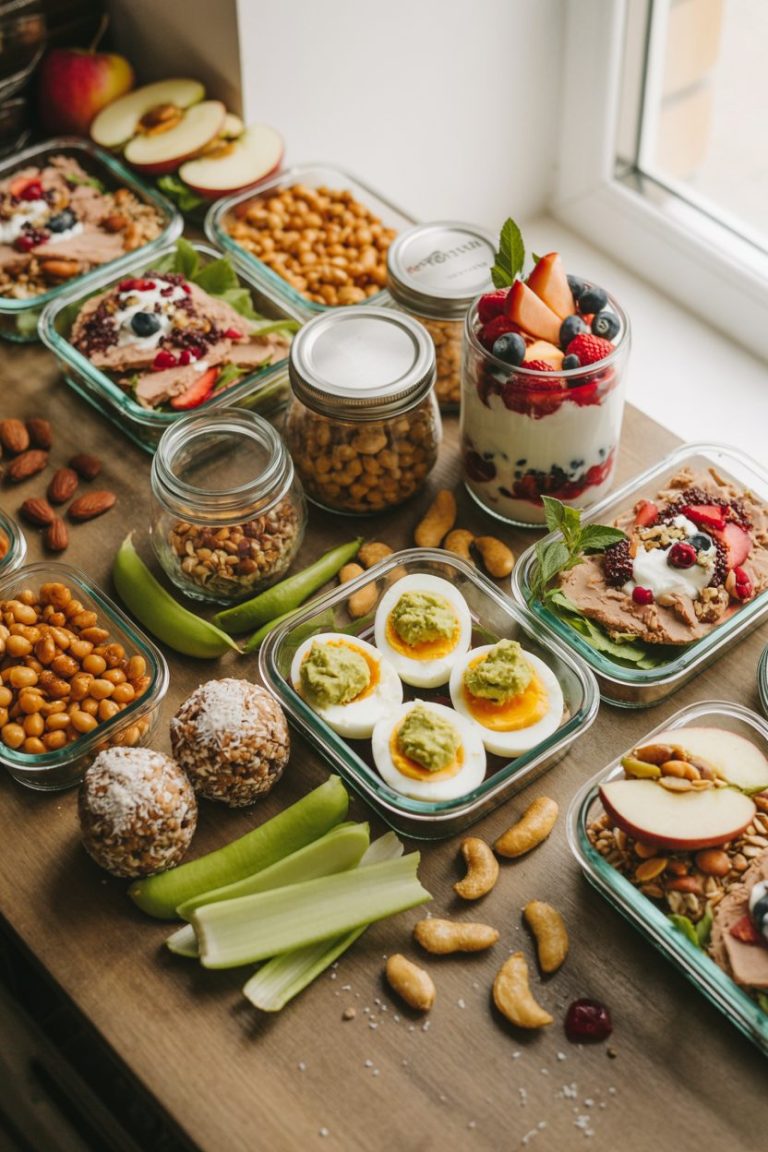
17 Make-Ahead Protein Bars (No Bake!)
Look, I get it. You’re scrolling through Instagram at 11 PM, stomach growling, and suddenly every protein bar on the market looks like it costs more than your monthly Netflix subscription. Meanwhile, that ingredient list reads like a chemistry experiment gone wrong.
Here’s the thing—making your own protein bars isn’t just cheaper (we’re talking pennies per bar versus three bucks a pop). It’s actually ridiculously easy. No oven required. No fancy equipment. Just a bowl, your hands, and maybe ten minutes of your time.
I’ve been meal prepping protein bars for the past two years, and honestly? It’s changed my entire snacking game. No more gas station runs. No more paying premium prices for bars that taste like cardboard dipped in artificial sweetener. Just real ingredients, actual flavor, and enough protein to keep you satisfied until your next meal.
Why Make Your Own Protein Bars?
Before we jump into the recipes, let’s talk about why homemade beats store-bought every single time.
First off, the cost. A decent protein bar at the store runs you anywhere from $2.50 to $4.00. Make a batch of 12 at home? You’re looking at maybe $8-10 total. Do the math—that’s less than a dollar per bar. Your wallet will thank you.
Then there’s the ingredient control. Research shows that many commercial protein bars contain excessive added sugars, artificial sweeteners, and unhealthy fats that you’d probably skip if you knew they were there. When you make your own, you know exactly what goes in. No mystery chemicals. No ingredients you can’t pronounce. Just real food.
Plus, the customization is endless. Allergic to peanuts? Swap in sunflower seed butter. Hate dates? Use maple syrup instead. Want more chocolate? Go nuts (pun intended). Your bars, your rules.
Invest in a good quality food processor—it’ll make mixing these bars infinitely easier and save you from hand-cramping frustration. Your future self will thank you.
If you’re serious about meal prep and want to expand beyond just snacks, you should check out these high-protein meal prep ideas for beginners to build out your entire weekly menu.
The Science Behind No-Bake Protein Bars
You might be wondering—how do these things hold together without baking? It’s actually pretty clever.
Most no-bake protein bars rely on sticky binders like nut butter, honey, maple syrup, or dates. These ingredients act like natural glue, holding everything together once they’re chilled. The cold temperature firms up the fats in the nut butter, creating that satisfying chewy texture you want in a protein bar.
The protein powder adds structure, oats provide bulk and fiber, and any mix-ins (chocolate chips, nuts, dried fruit) give you texture and flavor variety. It’s food science at its most delicious.
According to nutritional research on protein bars, combining plant-based proteins with whole food ingredients like oats and seeds can enhance both the nutritional value and antioxidant properties of homemade bars.
Essential Ingredients for Homemade Protein Bars
Before we get into specific recipes, let’s break down the building blocks you’ll see across most no-bake protein bar recipes.
High-Power Food Processor
Honestly, this changed everything for me. I used to hand-mix protein bars and it was exhausting. This 600-watt food processor blends dates into butter, pulverizes oats into flour, and mixes everything uniformly in under 30 seconds. Plus it doubles as a meal prep beast for chopping veggies and making sauces.
Multiple speed settings, easy to clean, and powerful enough to handle sticky date mixtures without overheating. The 12-cup capacity means you can make double batches.
The Protein Source
Protein powder is obviously the star here. You can use whey, casein, pea, brown rice, or any plant-based blend. I personally rotate between vanilla and chocolate because they’re the most versatile. Just avoid anything with stevia if you’re sensitive to that slightly bitter aftertaste.
Keep in mind that different protein powders absorb liquid differently. Whey tends to be thirstier than plant-based options, so you might need to adjust your wet ingredients accordingly.
The Binder
This is what holds everything together. Natural nut butters (peanut, almond, cashew) are the most common. Make sure you’re using the runny kind—just nuts and maybe salt. The thick, no-stir versions won’t work as well here.
For those with nut allergies, sunflower seed butter works beautifully. I’ve also had success with tahini, though it adds a distinct sesame flavor.
The Sweetener
Honey and maple syrup are your best friends. They add sweetness while also contributing to that sticky, cohesive texture. Dates are another excellent option—they’re naturally sweet, packed with fiber, and create an almost caramel-like flavor when blended.
If you’re watching sugar intake, you can use monk fruit syrup or allulose, though the texture might be slightly different.
Keep a batch of pitted Medjool dates in your freezer. They blend easily from frozen and last forever, making last-minute protein bar sessions totally doable.
The Base
Rolled oats are the workhorse ingredient in most no-bake bars. They add fiber, texture, and help bulk up the mixture without adding excessive calories. Quick oats work too, but old-fashioned rolled oats give you better texture.
Other options include almond flour, coconut flour, or ground flaxseed. Each brings its own nutritional benefits and slightly different texture.
The Mix-Ins
This is where you get creative. Dark chocolate chips, dried cranberries, chopped nuts, coconut flakes, chia seeds, hemp hearts—whatever sounds good to you. Just keep portion control in mind if you’re watching calories.
Speaking of meal prep variety, if you’re building out your weekly routine, these high-protein meal prep recipes will keep you full and satisfied alongside your homemade bars.
17 No-Bake Protein Bar Recipes
Alright, enough theory. Let’s get to the good stuff—the actual recipes. I’ve organized these from simplest to slightly more involved, but honestly, none of them are complicated.
1. Classic Peanut Butter Protein Bars
This is your gateway recipe. If you’ve never made protein bars before, start here. It’s foolproof.
Mix together natural peanut butter, honey, protein powder, and rolled oats until you get a thick, cookie dough-like consistency. Press into a lined pan, refrigerate for an hour, and slice into bars. That’s it. Seriously.
The beauty of this recipe is its simplicity. You probably already have everything in your pantry. Plus, that peanut butter-honey combo is universally loved. Even picky eaters won’t complain. Get Full Recipe
2. Chocolate Peanut Butter Cup Bars
Remember those orange-wrapped peanut butter cups you used to demolish as a kid? These taste almost identical, except they won’t spike your blood sugar and leave you crashed on the couch.
The base is similar to the classic version, but you’ll melt some dark chocolate (I use these sugar-free chocolate chips) with a touch of coconut oil and pour it over the top. Let it set in the fridge, and boom—dessert-quality protein bars that happen to have 15 grams of protein each.
Pro tip: sprinkle a bit of flaky sea salt on top before the chocolate sets. Trust me on this one. Get Full Recipe
3. No-Bake Oatmeal Cookie Dough Bars
If you’re the type who “samples” cookie dough straight from the bowl (no judgment here), you’ll lose your mind over these. They taste exactly like oatmeal cookie dough but without the raw egg concern.
Blend oats into flour using a food processor, then mix with almond butter, vanilla protein powder, and a touch of maple syrup. Add mini chocolate chips if you’re feeling fancy. The texture is spot-on—soft, chewy, and just sweet enough.
These are my go-to when I’m craving something sweet but don’t want to actually bake anything. Get Full Recipe
4. Date and Walnut Energy Bars
These are for the people who claim they don’t like dates. I hear you—whole dates can be weird and sticky. But blended into bars? Game changer.
Pulse Medjool dates, walnuts, and vanilla protein powder in your food processor until it forms a sticky dough. Press into a pan, chill, and cut. The dates provide all the sweetness you need—no additional sugar required.
The walnut-date combo has this almost caramel-like richness that makes these feel way more indulgent than they actually are. Plus, walnuts are loaded with omega-3s, so you’re basically doing your heart a favor. Get Full Recipe
If your dates are hard and dry, soak them in warm water for 10 minutes before blending. They’ll blend smoother and create better texture in your bars.
For more protein-focused meal planning strategies that complement these bars perfectly, check out this 5-day high-protein meal plan that breaks down exactly how to structure your meals for optimal results.
5. Almond Joy Inspired Bars
Coconut, almonds, and chocolate. If that combination doesn’t make you happy, I don’t know what will.
Mix almond butter, coconut flour, chocolate protein powder, and unsweetened shredded coconut. Add a drizzle of maple syrup to bind everything together. Press into a pan and top with melted dark chocolate and sliced almonds.
These taste like candy bars. Except you can eat them for breakfast without feeling guilty. I keep a stash of these in my freezer and grab one on particularly chaotic mornings. Get Full Recipe
6. Vanilla Birthday Cake Protein Bars
Yes, you can have your cake and hit your protein goals too. These bars taste exactly like vanilla birthday cake—funfetti sprinkles and all.
Use vanilla protein powder (obviously), cashew butter for creaminess, and add a handful of rainbow sprinkles because life’s too short for boring food. The key is using natural sprinkles without artificial dyes if you care about that sort of thing.
Fair warning: these disappear fast. My kids think they’re getting dessert. I know they’re getting 12 grams of protein. Everybody wins. Get Full Recipe
7. Cinnamon Roll Protein Bars
Imagine cinnamon rolls but in bar form. And without the two-hour prep time. And with actual nutritional value.
Mix vanilla protein powder with almond flour, plenty of cinnamon, and a touch of vanilla extract. Use cashew butter as your binder—it creates this creamy, almost frosting-like texture. Press into a pan, drizzle with a simple “icing” made from Greek yogurt and honey, and swirl it around.
These smell incredible while you’re making them, and they taste even better. IMO, they’re best eaten slightly chilled but not frozen. Get Full Recipe
8. Cherry Almond Protein Bars
Dried cherries are criminally underused in homemade protein bars. They bring this tart sweetness that cuts through the richness of nut butter perfectly.
Combine almond butter, vanilla protein powder, rolled oats, and chopped dried cherries. Add a splash of almond extract for that authentic cherry-almond flavor. Press, chill, cut. The cherries stay chewy even after refrigeration, giving you nice texture contrast.
These remind me of those expensive cherry-almond bars you see at health food stores for $4 each. Except these cost maybe 60 cents a bar. Get Full Recipe
9. Espresso Chocolate Chip Bars
Coffee and protein in one convenient package? Now we’re talking.
Mix chocolate protein powder with instant espresso powder, almond butter, and oats. Fold in dark chocolate chips. The caffeine hit isn’t huge—maybe equivalent to half a cup of coffee—but it’s enough to give you a gentle lift.
I eat these before morning workouts when I need fuel but don’t have time for a full breakfast. The combo of protein and caffeine gets the job done. Get Full Recipe
If you’re prepping meals for a busy work schedule, these meal prep strategies for busy professionals will show you how to batch-cook efficiently alongside your protein bar production.
10. Blueberry Muffin Protein Bars
Ever wish you could eat blueberry muffins without the sugar crash? Welcome to your new reality.
Use vanilla protein powder, almond flour, and dried blueberries. Add a touch of lemon zest for brightness. The dried blueberries rehydrate slightly in the mixture, creating little pockets of fruity flavor throughout the bars.
These taste shockingly close to actual blueberry muffins. My sister swears they’re better than the $5 muffins she used to buy at her local coffee shop. Get Full Recipe
11. Pumpkin Spice Protein Bars
Yes, I’m that person who gets excited about pumpkin spice season. And no, I’m not apologizing for it.
Mix vanilla protein powder with pumpkin puree (the canned kind works great), almond butter, and a heavy hand of pumpkin pie spice. The pumpkin adds moisture and a subtle sweetness, plus you get bonus vitamin A.
These are cozy and satisfying in a way that makes you want to curl up with a blanket and a good book. Perfect for fall, but honestly, I make them year-round because pumpkin doesn’t have a season in my house. Get Full Recipe
12. Maple Pecan Protein Bars
If you like pecan pie but wish it came in a more convenient, less sugar-loaded format, here you go.
Combine vanilla protein powder, almond flour, chopped pecans, and maple syrup. The maple-pecan combination is classic for a reason—it just works. Use real maple syrup, not the fake stuff. Your taste buds will know the difference.
Toast your pecans first in a small skillet for about 3-4 minutes. It brings out their natural oils and intensifies the flavor. Worth the extra two minutes. Get Full Recipe
13. Cookies and Cream Protein Bars
Remember Oreos? These capture that same chocolate-vanilla magic without the questionable ingredient list.
Use chocolate protein powder as your base, then mix in crushed chocolate sandwich cookies (use a healthier version or make your own). The cookie pieces add crunch and that distinctive cookies-and-cream flavor everyone loves.
These are ridiculously popular with kids. Adults too, if we’re being honest. There’s something about that black-and-white color combo that just hits different. Get Full Recipe
Line your pan with parchment paper and leave overhangs on the sides. When it’s time to cut your bars, you can just lift the whole sheet out and slice on a cutting board. No wrestling with stuck bars.
Looking for more variety in your weekly meal rotation? These 30-minute high-protein dinners pair perfectly with your morning protein bar routine.
14. Lemon Coconut Protein Bars
These are bright, refreshing, and feel like a tropical vacation in bar form. Okay, maybe that’s overselling it a bit. But they’re really good.
Mix vanilla protein powder with coconut flour, unsweetened shredded coconut, and plenty of lemon zest. Use coconut butter as your binder. The lemon cuts through the richness of the coconut, creating this perfectly balanced flavor.
These are great in the summer when you want something light and not too heavy. They also happen to be naturally gluten-free if that matters to you. Get Full Recipe
15. Banana Bread Protein Bars
Got overripe bananas sitting on your counter? Don’t make banana bread—it takes forever. Make these instead.
Mash a banana and mix it with peanut butter, vanilla protein powder, oats, and a sprinkle of cinnamon. The banana adds natural sweetness and moisture, so you can go easy on additional sweeteners.
These taste exactly like banana bread but require zero baking time and deliver 14 grams of protein per bar. Science is amazing. Get Full Recipe
16. Salted Caramel Pretzel Bars
Sweet, salty, and completely addictive. These might be dangerous to keep in your house.
Blend dates with vanilla protein powder and almond butter until smooth, then fold in crushed pretzels. Top with a date caramel (dates blended with a touch of coconut oil and sea salt) and extra pretzel pieces.
The pretzel crunch against the soft bar base is textural perfection. And that sweet-salty combo? Chef’s kiss. Get Full Recipe
17. Double Chocolate Brownie Bars
Saving the best for last. These are for the chocolate lovers who don’t do things halfway.
Use chocolate protein powder, cocoa powder, almond butter, and maple syrup. Mix in dark chocolate chips because more chocolate is always the answer. Press into a pan and top with more melted chocolate.
These taste like fudgy brownies. The texture is dense and rich—almost truffle-like. They’re proof that healthy food doesn’t have to taste like punishment. Get Full Recipe
For a complete approach to high-protein eating, check out this comprehensive meal prep guide that covers everything from grocery shopping to storage strategies.
Tips for Perfect Protein Bars Every Time
After making roughly a million protein bars, I’ve learned a few things that make the process smoother and the results better.
Reusable Silicone Baking Mat
This might sound random, but silicone baking mats are the secret weapon for perfect protein bars. Line your pan with one of these and nothing—I mean nothing—sticks. No parchment paper waste, no sticky cleanup, and you can lift the whole sheet of bars out cleanly every single time. I’ve used mine for two years and it still looks brand new.
Works for protein bars, energy balls, no-bake cookies, and even roasting vegetables. Heat-resistant up to 480°F, freezer-safe, and rolls up for compact storage. One mat replaces hundreds of sheets of parchment paper.
Get Your Consistency Right
The mixture should feel like cookie dough—soft but not wet, thick but not crumbly. If it’s too dry, add liquid one tablespoon at a time (water, milk, or more nut butter). If it’s too wet, add more oats or protein powder.
Different protein powders absorb liquid differently, so you might need to adjust. Don’t stress about following recipes exactly—use them as guidelines and trust your judgment.
Press Firmly
This isn’t the time to be gentle. Really press that mixture into your pan. The more compact it is, the better it holds together when you cut it. I use the bottom of a measuring cup to press everything down firmly and evenly.
Chill Completely
I know waiting is hard. But trust me—let these bars chill for at least an hour, preferably longer. If you try to cut them too soon, they’ll fall apart. Patience pays off here.
For even better results, freeze them for 30 minutes before cutting. Frozen bars slice cleaner and hold their shape better.
Use Parchment Paper
Always line your pan with parchment paper with overhangs on the sides. This makes removing and cutting the bars infinitely easier. No scraping, no mess, no frustration.
Sharp Knife, Clean Cuts
Use a sharp knife and wipe it clean between cuts. This gives you professional-looking bars instead of crumbly messes. It’s a small detail that makes a big difference.
Storage and Shelf Life
One of the best things about homemade protein bars is that they keep well, making them perfect for meal prep.
Glass Meal Prep Containers Set
I went through so many plastic containers before investing in this glass container set. They’re completely airtight (no more stale bars), stackable (saves fridge space), and you can see exactly what’s inside without opening them. Plus they’re microwave and dishwasher safe for when you’re reheating other meal prep.
The snap-lock lids create a vacuum seal that keeps protein bars fresh for two full weeks. No more day-five staleness. And they’re BPA-free, so no weird plastic taste or chemicals leaching into your food.
Refrigerator Storage
Most no-bake protein bars stay fresh in an airtight container in the fridge for 1-2 weeks. Keep them individually wrapped in parchment paper if you’re stacking them—it prevents them from sticking together.
I use glass meal prep containers with tight-fitting lids. They stack nicely in the fridge and keep everything fresh.
Freezer Storage
These bars freeze beautifully. Wrap them individually in plastic wrap or parchment paper, then store in a freezer bag. They’ll keep for 3-4 months in the freezer.
Let them thaw at room temperature for about 15 minutes before eating, or eat them straight from the freezer if you like a firmer texture. I actually prefer some flavors frozen—especially the chocolate ones.
Room Temperature?
Technically, you can leave these at room temperature for a few hours without issue. But they tend to get soft and may not hold their shape as well. I only do this when I’m packing them in a lunch box with ice packs.
If you’re looking to build a complete protein-focused meal prep system, don’t miss this ultimate grocery list for protein lovers that covers everything you need to stock your kitchen.
Customizing Your Protein Bars
The beauty of homemade protein bars is that you can tweak them endlessly based on your preferences, dietary restrictions, and what you have in your pantry.
The Complete Protein Bar Recipe Collection
Want access to 100+ protein bar recipes with every dietary variation imaginable? This digital cookbook covers vegan, keto, paleo, nut-free, low-carb, and high-protein options with detailed macros for each recipe.
- 100+ tested protein bar recipes organized by dietary preference
- Macro calculations for every single recipe (calories, protein, carbs, fats)
- Ingredient swapping matrix for allergies and preferences
- Troubleshooting guide for texture and consistency issues
- Bonus: 50 energy ball recipes for variety
Compatible with all devices • Search-friendly PDF • Free updates forever
Making Them Vegan
Swap the honey for maple syrup or agave. Use plant-based protein powder instead of whey. Most nut butters are already vegan, so you’re good there. Double-check your chocolate chips—many dark chocolate options are naturally dairy-free.
Making Them Nut-Free
Use sunflower seed butter instead of nut butter. Swap almond flour for oat flour or coconut flour. Skip the nuts in mix-ins and use seeds instead—pumpkin seeds, sunflower seeds, and hemp hearts all work great.
Lowering the Sugar
If you’re watching sugar intake, use monk fruit syrup or allulose instead of honey or maple syrup. Choose unsweetened protein powder and skip dried fruit. Add vanilla extract, cinnamon, or other spices to boost flavor without adding sweetness.
Boosting the Protein
Add an extra scoop of protein powder, but you’ll need to increase your wet ingredients proportionally. Mix in Greek yogurt or cottage cheese for extra creaminess and protein. Hemp hearts, chia seeds, and flaxseed all add protein along with healthy fats.
Common Mistakes to Avoid
Let me save you from the mistakes I made when I first started making protein bars.
Using the Wrong Protein Powder
Not all protein powders are created equal for bars. Avoid anything with sugar alcohols like erythritol or xylitol—they crystallize when chilled and create a gritty texture. Stick with naturally sweetened options or unflavored if you’re adding your own sweeteners.
Skipping the Chill Time
I get it. You’re hungry. You want bars now. But cutting them before they’re fully chilled is a recipe for crumbly disaster. Just wait. Go do something else for an hour. Future you will appreciate present you’s patience.
Not Adjusting for Dry Ingredients
If you add extra oats, protein powder, or any other dry ingredient, you need to compensate with more liquid or fat. Otherwise, you’ll end up with dry, crumbly bars that fall apart when you try to cut them.
Overcrowding Mix-Ins
Yes, chocolate chips and dried fruit and nuts all sound good. But if you add too many mix-ins, the bars won’t hold together. Stick to about 1/2 to 3/4 cup of mix-ins per batch, max.
Keep a batch of “emergency bars” in your freezer at all times. When life gets chaotic and you’re tempted by the drive-thru, grab a homemade bar instead. You’ll save money and feel infinitely better.
Want daily meal prep tips, recipe inspiration, and exclusive content? Join our WhatsApp channel where I share behind-the-scenes prep sessions, quick cooking hacks, and answer your burning meal prep questions. It’s like having a meal prep buddy in your pocket.
For even more high-protein recipe inspiration, explore these chicken meal prep recipes, ground turkey ideas, or these high-protein bowls for variety throughout your week.
Meal Prep Strategy: Making Protein Bars Part of Your Routine
Here’s how I incorporate protein bar making into my regular meal prep routine without it feeling like extra work.
30-Day Protein Bar Meal Prep Planner
Stop winging it every Sunday. Get this complete 30-day meal prep planner with weekly protein bar recipes, grocery lists, and prep schedules. It’s like having a meal prep coach walking you through every step.
- 30 unique no-bake protein bar recipes with full macros
- Weekly grocery shopping lists organized by store section
- Printable prep schedules that break down tasks by day
- Storage and freezer labels to keep everything organized
- Ingredient substitution guide for dietary restrictions
Instant PDF download • Print-friendly format • Lifetime access
Pick one day per week—Sunday works for most people—and make 2-3 batches of different flavors. Store them in labeled containers so you know what’s what. Having variety prevents flavor fatigue.
Prep your ingredients in advance. Pre-measure your protein powder, oats, and other dry ingredients into bags or containers. When it’s time to make bars, you just dump and mix. Saves at least 10 minutes.
Double batch everything. If you’re making one batch, you might as well make two. The time investment is nearly identical, but you’ll have twice the bars. Some go in the fridge, the rest go in the freezer for later.
Make it a family activity. Even kids can help press mixture into pans and choose mix-ins. It’s actually a good way to get them interested in what they’re eating.
If you’re building out a full meal prep system, these beef meal prep recipes and high-protein pasta ideas will round out your weekly menu perfectly.
Cost Breakdown: Homemade vs. Store-Bought
Let’s do some actual math here because the savings are honestly wild.
Average store-bought protein bar: $2.50-$4.00 each
Homemade batch of 12 bars:
- Protein powder (2 scoops): ~$2.00
- Nut butter (1 cup): ~$2.50
- Oats (2 cups): ~$0.50
- Honey/maple syrup (1/2 cup): ~$1.50
- Mix-ins (chocolate chips, etc.): ~$1.50
Total: ~$8.00 for 12 bars = $0.67 per bar
Even if you buy organic, premium ingredients, you’re still looking at maybe $1.25 per bar. That’s a massive savings compared to store-bought options.
If you eat one protein bar per day for a year, that’s $912.50 versus $244.55. That’s a savings of $667.95 per year. That’s a vacation. Or a new high-quality blender. Or just money in your pocket.
Nutritional Benefits of Homemade Protein Bars
Beyond the cost savings and taste, there are real nutritional advantages to making your own bars.
Macro-Friendly Meal Prep Masterclass
Want to master macro tracking while meal prepping? This digital course teaches you how to calculate macros, build balanced meals, and create custom protein bar recipes that hit your exact nutritional targets.
- Video tutorials on macro calculation and meal planning
- Interactive macro calculator customized to your goals
- Recipe builder tool to create custom protein bars
- Weekly meal templates for cutting, bulking, and maintenance
- Private community access for questions and support
Self-paced learning • Mobile-friendly • 30-day money-back guarantee
Controlled Sugar Content
Most commercial protein bars contain 10-20 grams of sugar, often from multiple sources. When you make your own, you control exactly how much sweetener goes in. You can use natural options like dates that come with fiber, or reduce sugar altogether.
Quality Protein
You choose your protein source. Want grass-fed whey? Go for it. Prefer pea protein? Your call. No mystery meat derivatives or protein isolates of questionable origin.
Healthy Fats
Natural nut butters provide healthy unsaturated fats that keep you satisfied. Many commercial bars use palm oil or other less-desirable fat sources. With homemade, you get the good stuff.
Fiber and Whole Grains
Rolled oats, dates, nuts, and seeds all contribute fiber that keeps your digestive system happy and helps stabilize blood sugar. Many commercial bars skimp on fiber despite claiming to be healthy.
No Artificial Ingredients
No artificial sweeteners, no preservatives, no artificial flavors or colors. Just real food. Your body knows how to process that.
Looking to expand your protein-rich meal prep beyond bars? Try these protein-packed lunchbox ideas or these air fryer meal prep recipes for variety.
Reader Success Stories
Sarah from our community started making these protein bars three months ago as part of her weight loss journey. She’s down 15 pounds and says having homemade bars on hand has been crucial for avoiding the vending machine at work. “I used to spend $15-20 per week on protein bars and granola bars. Now I spend maybe $8 every two weeks, and they taste way better.”
Mike, a busy professional who works 60-hour weeks, wrote in saying these bars saved his meal prep routine. “I don’t have time to cook elaborate meals, but I can throw together a batch of protein bars in 20 minutes on Sunday. They keep me fueled during crazy workdays when I’d otherwise skip meals.”
Rachel, a mom of three, uses these as after-school snacks for her kids. “They think they’re getting treats. I know they’re getting protein and real ingredients. Win-win.”
Frequently Asked Questions
How long do homemade protein bars last?
In the refrigerator, they’ll stay fresh for 1-2 weeks in an airtight container. In the freezer, they last 3-4 months. I always keep some frozen as backup—they thaw quickly at room temperature or you can eat them frozen if you like a firmer texture.
Can I make protein bars without protein powder?
Absolutely. Use Greek yogurt, cottage cheese, nut butters, or seed butters as your protein source instead. You’ll get less protein per bar (probably 6-8 grams instead of 12-15), but they’ll still be nutritious and filling. Add extra nuts or seeds to boost the protein content naturally.
Why are my protein bars falling apart?
Usually this means the mixture is too dry. Add more liquid (water, milk, or nut butter) one tablespoon at a time until the mixture holds together when squeezed. Also make sure you’re pressing firmly when shaping them and chilling them long enough before cutting—at least an hour, preferably longer.
Can I use flavored protein powder?
Yes, but be aware that flavored powders will affect the overall taste of your bars. Vanilla and chocolate are the most versatile and work with pretty much any flavor combination. Strawberry or birthday cake flavored powders can be trickier to pair with mix-ins.
Are homemade protein bars good for weight loss?
They can be, but portion control matters. Each bar typically contains 150-250 calories depending on ingredients. They’re great for preventing hunger between meals, which can help you avoid less healthy snacks. Just don’t treat them as “free food”—they still count toward your daily calorie intake.
Final Thoughts
Making your own protein bars isn’t complicated. It doesn’t require special equipment or advanced cooking skills. It just requires ten minutes, a bowl, and a willingness to try something different.
Once you make your first batch, you’ll wonder why you ever spent $3+ on store-bought bars that list 47 ingredients you can’t pronounce. Homemade bars taste better, cost less, and give you complete control over what you’re putting in your body.
Start with one of the simpler recipes—maybe the classic peanut butter version—and go from there. Once you get the hang of it, you can start experimenting with flavors and creating your own signature bars.
Your wallet will thank you. Your body will thank you. And your taste buds will definitely thank you.
Now stop scrolling and go make some protein bars. Your meal prep game is about to level up.